Quick Answer
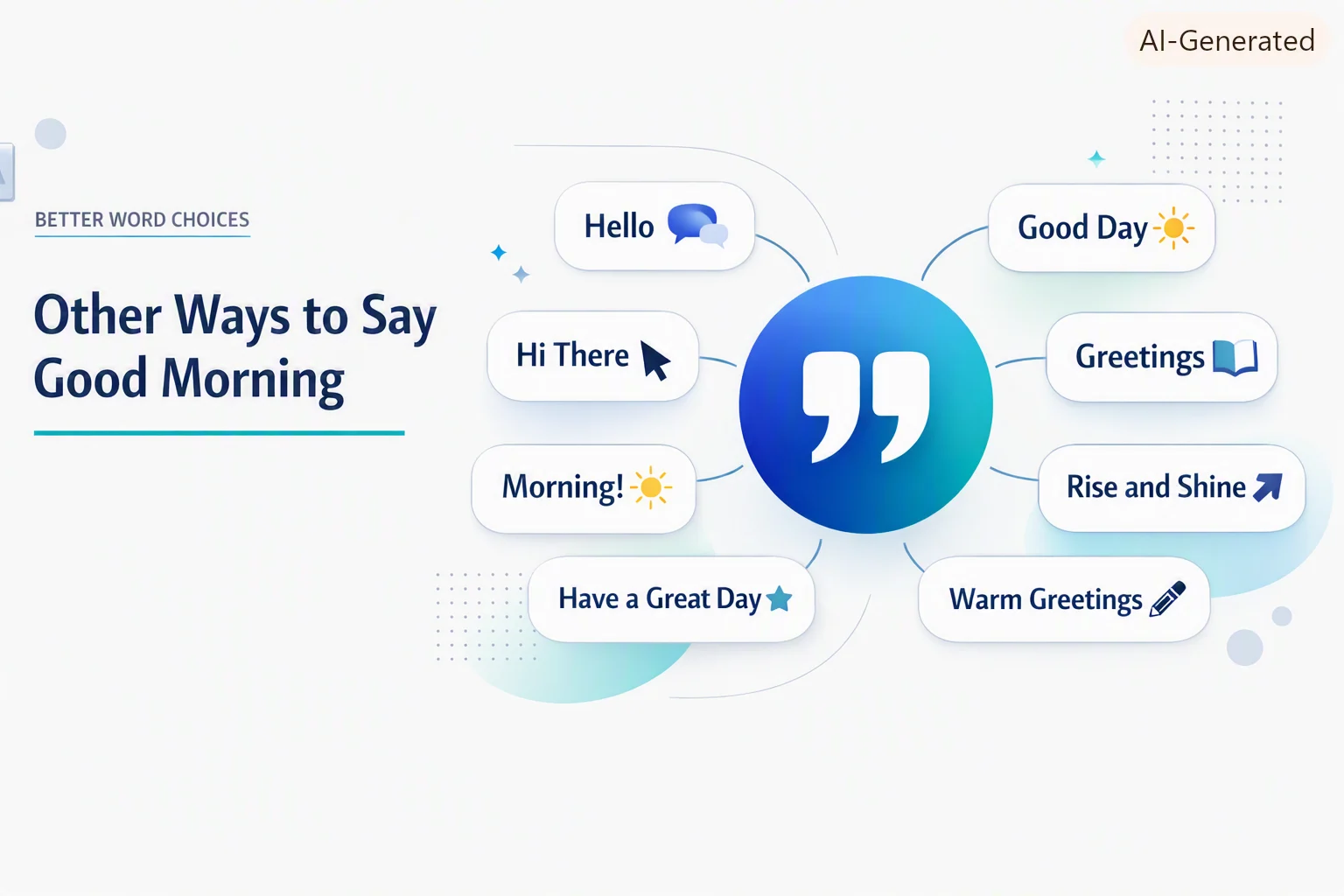
Looking for fresh ways to greet someone in the morning without repeating the same phrase every day?The best alternatives to good morning include rise and shine, morning, top of the morning, wishing you a wonderful morning, and hope you slept well.
Starting your day with the right greeting can leave a lasting impression. While “Good morning” is a classic choice, using different expressions can make your conversations feel warmer, more professional, or more personal. In this guide, you’ll discover the best Other Ways to Say Good Morning, along with examples and tips to help you choose the perfect greeting for friends, coworkers, clients, or loved ones.
What Is a Morning Greeting and Why Does It Matter
A morning greeting is a short expression used to acknowledge someone at the start of the day. People use it to open conversations, emails, meetings, and casual chats in a warm, respectful way. Saying good morning is one of the most common phrases in English, but relying on it constantly can make your speech sound repetitive and flat.
Learning alternatives to good morning helps you sound more natural and adaptable in different situations, whether you are writing a formal email or chatting with a friend. It also helps you express excitement in English when you genuinely want to sound upbeat and energetic at the start of the day.
Building a wider vocabulary of greetings is a small change that makes a big difference in how confident and fluent you sound, both in speech and in writing.
Quick Categories
Formal Alternatives to “Good Morning”
- Good day
- Greetings this morning
- A very good morning to you
- Wishing you a productive morning
Pro Tip: Use formal alternatives in emails, official letters, and meetings with clients or senior colleagues to sound polished and respectful.
Casual Alternatives
- Morning
- Hey, good morning
- Rise and shine
- Wakey wakey
Pro Tip: Save casual alternatives for friends, family, and relaxed settings. They sound friendly but too informal for professional writing.
Professional Alternatives
- Good morning, everyone
- Hope you’re having a great start to your day
- Wishing you a productive day ahead
- Good morning, team
Pro Tip: Professional alternatives work best at the start of meetings, group emails, or workplace messages where you want to sound warm but efficient.
Informal Expressions
- Morning, sunshine
- Hiya
- What’s up this morning
- Yo, morning
Pro Tip: Informal expressions are best used with close friends or in spoken English. Avoid them in written business communication.
“Small changes in greeting style can completely shift how confident you sound.”
Common Mistakes People Make With “Good Morning”
- Using it after noon. Saying good morning at 1 PM confuses the listener. Example: “Good morning!” said at lunchtime instead of “Good afternoon!”
- Overusing it in formal emails without variation. Repeating the same greeting daily can sound robotic. Example: Starting every single email with “Good morning” instead of varying tone occasionally.
- Mixing formal and informal tone in the same message. This creates an inconsistent voice. Example: “Good morning, esteemed team, what’s up?”
- Forgetting punctuation or capitalization in writing. This looks careless in professional contexts. Example: “good morning team” without capital letters in a formal email.
- Using overly casual alternatives with senior colleagues. This can appear disrespectful. Example: Saying “Yo, morning” to a company director.
What Does “Good Morning” Mean?
Good morning is a greeting used to say hello to someone during the early part of the day, typically from sunrise until around noon. Grammatically, it functions as a fixed expression, often used as a standalone sentence or attached to a name, such as “Good morning, Sarah.”
Example Sentence: “Good morning, I hope you had a restful night.”
When to Use “Good Morning”
- Starting a workday conversation with a colleague
- Opening a business email sent before noon
- Greeting family members at breakfast
- Beginning a morning meeting or presentation
- Answering the phone during morning hours
Spoken vs Written: In spoken English, it is often shortened to just “Morning.” In written English, especially emails, the full phrase “Good morning” is more common and polished.
Formal vs Informal: In formal settings, pair it with a title or name, such as “Good morning, Mr. Ahmed.” In informal settings, a simple “Morning!” is enough.
Is It Professional or Polite to Say “Good Morning”?
Good morning is both polite and professional in most situations. It works well in emails, meetings, and everyday workplace conversations. However, shortened or overly casual versions like “Mornin'” may feel too relaxed in formal business writing.
Business Example: “Good morning, thank you for joining today’s call on short notice.”
Polite? ✔️ Yes Professional? ✔️ Yes (in its full form)
Pros and Cons of Using “Good Morning”
Pros:
- Simple and natural
- Friendly tone
- Common usage
- Easy to understand
Cons:
- Can feel repetitive if overused
- Limited emotional range
- Time-restricted, only works until noon
- May sound generic in creative writing
Other Ways to Say Good Morning
These alternatives will help you sound more fluent, confident, and natural in different situations. Use them according to tone, context, and audience to express excitement, admiration, or approval as you start the day.
1. Morning
Meaning: A shortened, casual version of “Good morning.”
Explanation: This simple greeting is commonly used in everyday conversations among friends, family members, neighbors, and coworkers. It sounds relaxed, natural, and friendly while remaining polite.
Example Sentence: “Morning! Did you sleep well?”
- Best Use: Casual chats
- Worst Use: Formal emails
- Tone: Relaxed, friendly
- Context Variability: Spoken, casual
2. Rise and Shine
Meaning: A playful way to encourage someone to wake up and start the day.
Explanation: This cheerful phrase is often used with children, family members, or close friends to motivate them to get out of bed with enthusiasm.
Example Sentence: “Rise and shine! We have a busy day ahead!”
- Best Use: Family settings
- Worst Use: Business emails
- Tone: Playful, energetic
- Context Variability: Spoken, casual
3. Top of the Morning to You
Meaning: A cheerful greeting that means “Good morning.”
Explanation: Originating from Irish English, this expression has a traditional charm and is now mostly used humorously or playfully.
Example Sentence: “Top of the morning to you, neighbor!”
- Best Use: Humorous greetings
- Worst Use: Formal writing
- Tone: Cheerful, quirky
- Context Variability: Spoken, casual
4. Good Day
Meaning: A polite and formal greeting suitable for different times of the day.
Explanation: Although it isn’t limited to the morning, “Good day” is a refined alternative often found in professional communication and formal correspondence.
Example Sentence: “Good day. I trust this message finds you well.”
- Best Use: Formal letters
- Worst Use: Casual texting
- Tone: Formal, polite
- Context Variability: Written, professional
5. Wishing You a Wonderful Morning
Meaning: A warm greeting that expresses positive wishes for someone’s morning.
Explanation: This thoughtful expression is commonly used in greeting cards, text messages, and personal emails to brighten someone’s day.
Example Sentence: “Wishing you a wonderful morning full of positive energy.”
- Best Use: Personal messages
- Worst Use: Quick spoken greetings
- Tone: Warm, thoughtful
- Context Variability: Written, casual
6. Hope You Slept Well
Meaning: A caring morning greeting that asks about someone’s rest.
Explanation: This phrase shows concern for the other person’s well-being and is best suited for close relationships such as family, partners, or good friends.
Example Sentence: “Good morning! Hope you slept well last night.
- Best Use: Close relationships
- Worst Use: Business settings
- Tone: Caring, gentle
- Context Variability: Spoken, casual
7. Morning, Sunshine
Meaning: A cheerful greeting that affectionately compares someone to sunshine.
Explanation: This warm expression is commonly used with loved ones or children to make the start of the day feel brighter and more positive.
Example Sentence: “Morning, sunshine! Ready for breakfast?”
- Best Use: Family, partners
- Worst Use: Professional emails
- Tone: Affectionate, playful
- Context Variability: Spoken, casual
8. Greetings This Morning
Meaning: A formal way to greet people at the beginning of the day.
Explanation: This expression is suitable for official announcements, presentations, newsletters, or other professional communications.
Example Sentence: “Greetings this morning to everyone joining the seminar.”
- Best Use: Formal announcements
- Worst Use: Texting friends
- Tone: Formal, respectful
- Context Variability: Written, professional
9. A Very Good Morning to You
Meaning: An extended and polished version of “Good morning.”
Explanation: Frequently used by speakers, teachers, presenters, and event hosts when addressing an audience in a respectful manner.
Example Sentence: “A very good morning to you all. Thank you for attending.”
- Best Use: Speeches, presentations
- Worst Use: Casual conversations
- Tone: Formal, polished
- Context Variability: Spoken, professional
10. Wishing You a Productive Morning
Meaning: A professional greeting that encourages a successful start to the day.
Explanation: This phrase is commonly used in workplace emails, team chats, and professional messages to motivate others.
Example Sentence: “Wishing you a productive morning ahead, team.”
- Best Use: Workplace emails
- Worst Use: Casual texts
- Tone: Encouraging, professional
- Context Variability: Written, professional
11. Hey, Good Morning
Meaning: A friendly and slightly casual morning greeting.
Explanation: This expression sounds warmer than simply saying “Good morning” and is often used between coworkers or friends.
Example Sentence: “Hey, good morning! Ready for the meeting?”
- Best Use: Friendly coworkers
- Worst Use: Senior executives
- Tone: Friendly, casual
- Context Variability: Spoken, casual
12. Wakey Wakey
Meaning: A playful phrase used to wake someone up.
Explanation: This fun expression is mostly used with children, family members, or close friends in an affectionate way.
Example Sentence: “Wakey wakey! Breakfast is ready!”
- Best Use: Waking children
- Worst Use: Formal settings
- Tone: Playful, silly
- Context Variability: Spoken, casual
13. Good Morning, Everyone
Meaning: A greeting used when addressing a group of people.
Explanation: This phrase is commonly heard in meetings, classrooms, presentations, and group emails.
Example Sentence: “Good morning, everyone. Let’s begin today’s session.”
- Best Use: Group settings
- Worst Use: One-on-one texts
- Tone: Professional, inclusive
- Context Variability: Spoken, professional
14. Hope You’re Having a Great Start to Your Day
Meaning: A thoughtful greeting that wishes someone well at the beginning of the day.
Explanation: This expression shows genuine interest in the other person’s well-being and is common in customer service and professional communication.
Example Sentence: “Hope you’re having a great start to your day. Let’s dive in.”
- Best Use: Customer service
- Worst Use: Quick exchanges
- Tone: Warm, professional
- Context Variability: Written, professional
15. Wishing You a Productive Day Ahead
Meaning: A motivational greeting that encourages a successful and productive day.
Explanation: Frequently used in workplace communication, this phrase helps create a positive and encouraging tone.
Example Sentence: “Good morning! Wishing you a productive day ahead.”
Context Variability: Written, professional
Best Use: Work emails
Worst Use: Casual chats
Tone: Motivational, professional
16. Good morning, team
Meaning: A workplace greeting addressed to a group of colleagues.
Explanation: Common at the start of meetings, team chats, or group emails to create a positive and collaborative atmosphere.
Example Sentence: Good morning, team. Let’s review today’s priorities.
Best Use: Team meetings, workplace communication
Worst Use: One-on-one personal messages
Tone: Professional, motivating
Context Variability: Professional, spoken
17. Hiya
Meaning: A casual and energetic greeting.
Explanation: Popular in British English, it’s a friendly alternative to “Good morning” when talking to friends or people you know well.
Example Sentence: Hiya! Hope you had a great night’s sleep.
Best Use: Close friends
Worst Use: Formal writing or business emails
Tone: Casual, upbeat
Context Variability: Spoken, informal
18. What’s up this morning
Meaning: A relaxed way to greet someone while asking how they’re doing.
Explanation: Common among friends, classmates, and younger speakers in informal conversations.
Example Sentence: What’s up this morning? Ready for class?
Best Use: Peer conversations
Worst Use: Professional settings
Tone: Relaxed, informal
Context Variability: Spoken, informal
19. Yo, morning
Meaning: A very casual, slang-based morning greeting.
Explanation: Often used between close friends in laid-back conversations.
Example Sentence: Yo, morning! You coming to the gym today?
Best Use: Informal friendships
Worst Use: Professional or formal communication
Tone: Slangy, casual
Context Variability: Spoken, informal
20. Ready to start the day?
Meaning: An energetic greeting that encourages someone to begin the day.
Explanation: Works well as both a greeting and a motivational question.
Example Sentence: Ready to start the day? We’ve got a lot to accomplish!
Best Use: Motivational settings
Worst Use: Formal correspondence
Tone: Energetic, encouraging
Context Variability: Spoken, casual
21. Let’s seize the day
Meaning: An inspirational greeting encouraging productivity and optimism.
Explanation: Inspired by the idea of making the most of every day, it’s common in leadership and motivational settings.
Example Sentence: Good morning, team. Let’s seize the day!
Best Use: Leadership talks, team meetings
Worst Use: Quiet, casual conversations
Tone: Inspirational, bold
Context Variability: Spoken, professional
22. Fresh morning to you
Meaning: A poetic way to wish someone a pleasant morning.
Explanation: Adds warmth and creativity to your greeting, making it ideal for heartfelt messages.
Example Sentence: Fresh morning to you and your family.
Best Use: Personal notes
Worst Use: Business emails
Tone: Poetic, warm
Context Variability: Written, casual
23. Hope your day starts well
Meaning: A thoughtful wish for someone to have a positive beginning to their day.
Explanation: Suitable for both personal and semi-formal conversations.
Example Sentence: Hope your day starts well and everything goes smoothly.
Best Use: Semi-formal messages
Worst Use: Loud, playful banter
Tone: Polite, kind
Context Variability: Written, casual
24. Sending morning vibes
Meaning: A modern way to send positive energy at the start of the day.
Explanation: Popular on social media, text messages, and casual online conversations.
Example Sentence: Sending morning vibes your way today!
Best Use: Social media posts, texts
Worst Use: Formal writing
Tone: Trendy, casual
Context Variability: Written, informal
25. Cheers to a new day
Meaning: A cheerful greeting celebrating a fresh start.
Explanation: Encourages optimism and excitement about the opportunities ahead.
Example Sentence: Cheers to a new day filled with new opportunities!
Best Use: Motivational messages
Worst Use: Quiet, formal meetings
Tone: Celebratory, upbeat
Context Variability: Written, casual
26. Good morning, world
Meaning: A joyful greeting directed at everyone.
Explanation: Often used in social media captions or expressive conversations to show excitement for the day.
Example Sentence: Good morning, world! Today feels amazing already.
Best Use: Social posts
Worst Use: Professional emails
Tone: Joyful, dramatic
Context Variability: Written, informal
27. Wishing you a bright morning
Meaning: A gentle wish for a positive and happy start to the day.
Explanation: A thoughtful alternative that works well in personal messages and greeting cards.
Example Sentence: Wishing you a bright morning and a wonderful day ahead.
Best Use: Personal messages
Worst Use: Quick spoken greetings
Tone: Gentle, positive
Context Variability: Written, casual
28. May your morning be blessed
Meaning: A warm greeting that wishes goodness and blessings upon someone.
Explanation: Common in religious, spiritual, or heartfelt personal messages.
Example Sentence: May your morning be blessed with peace and happiness.
Best Use: Personal and spiritual conversations
Worst Use: Corporate emails
Tone: Warm, sincere
Context Variability: Written, casual
29. Start the day right
Meaning: An encouraging phrase that motivates someone to begin the day positively.
Explanation: Often used in wellness, coaching, and motivational settings.
Example Sentence: Let’s start the day right with a positive attitude.
Best Use: Motivational talks
Worst Use: Formal writing
Tone: Encouraging, energetic
Context Variability: Spoken, casual
30. Happy morning
Meaning: A simple and cheerful morning greeting.
Explanation: A lighthearted alternative to “Good morning” that expresses positivity.
Example Sentence: Happy morning! Hope today brings you lots of happiness.
Best Use: Casual greetings
Worst Use: Formal presentations
Tone: Cheerful, light
Context Variability: Written, casual
Learning even five new greetings can transform how natural your English sounds.”
Mini Quiz: Test Your Understanding
1. Which alternative is most appropriate for a formal business email?
A) Yo, morning
B) Wishing you a productive morning
C) Wakey wakey
D) Hiya
Answer: B “Wishing you a productive morning” is professional, polite, and appropriate for workplace emails.
2. Which phrase would you use with a close friend, not a boss?
A) Greetings this morning
B) A very good morning to you
C) Morning, sunshine
D) Good day
Answer: C “Morning, sunshine” is warm, playful, and best suited for friends, family, or loved ones.
3. True or False: “Top of the morning to you” is appropriate for a corporate presentation.
Answer: False Although it’s a cheerful expression, it sounds old-fashioned and playful, making it unsuitable for formal business presentations.
4. Which phrase best fits addressing a full team at the start of a meeting?
A) Yo, morning
B) Good morning, team
C) Wakey wakey
D) Hiya
Answer: B “Good morning, team” is the standard, professional way to greet a group in meetings or workplace communication.
Comparison Table: Top Alternatives
| Phrase | Tone | Best Use |
|---|---|---|
| Morning | relaxed, friendly | casual chats |
| Rise and shine | playful, energetic | family settings |
| Good day | formal, polite | formal letters |
| Wishing you a wonderful morning | warm, thoughtful | personal messages |
| Hope you slept well | caring, gentle | close relationships |
| Greetings this morning | formal, respectful | formal announcements |
| Good morning, everyone | professional, inclusive | group settings |
| Hiya | casual, upbeat | close friends |
| Let’s seize the day | inspirational, bold | leadership talks |
| Cheers to a new day | celebratory, upbeat | motivational messages |
FAQs
1. What is a formal way to say good morning?
Formal alternatives include “Good day,” “Greetings this morning,” and “A very good morning to you,” which suit emails and official settings.
2. What is a casual way to say good morning to a friend?
Casual options like “Morning,” “Hiya,” or “Morning, sunshine” work well with friends and family in relaxed conversations.
3. Can I use “good morning” after 12 PM?
No, good morning should only be used from sunrise until around noon. After that, “good afternoon” is correct.
4. What are some professional alternatives to good morning for meetings?
Phrases like “Good morning, team” and “Wishing you a productive morning” work well in workplace meetings and emails.
5. Why should I learn different ways to say good morning?
Learning alternatives to good morning helps you avoid repetition, sound more fluent, and adapt your tone to different audiences and situations.
Conclusion
Mastering different ways to say good morning gives you the flexibility to match your tone to any situation, whether formal, professional, or casual. Instead of repeating the same phrase daily, you can now choose expressions that reflect warmth, energy, or professionalism depending on your audience.
Practice using a few of these alternatives every day in your conversations and emails. Over time, this small habit will make your English sound more natural, confident, and contextually accurate.
Read More Related Articles:
- Other Ways to Say Circle Back | Improve Your Workplace Communication In 2026
- Other Ways to Say Welcome to the Team | Warm First Impression In 2026
- Other Ways to Say I Hope All Is Well | Make a Better First Impression In 2026

Henry Walker is an American writer and blogger with a keen interest in communication, language and digital content. At TextsResponse.com, he creates informative and reader-focused resources designed to help people communicate with clarity, confidence and authenticity.