Quick Answer
If you want to sound more natural and fluent than the plain phrase “I am excited,” try alternatives like I can’t wait, I’m thrilled, I’m pumped, I’m looking forward to it, and I’m ecstatic. Each one carries a slightly different tone, so choosing the right one helps you sound confident in both spoken and written English.
I am excited” is one of the most common phrases English learners use to express positive anticipation or enthusiasm about something. It works in almost any situation, but repeating it too often can make your English sound flat or repetitive.
People use this phrase in emails, conversations, interviews, and casual chats to show energy, interest, or happiness about an upcoming event. Learning alternatives to I am excited helps you match your tone to the situation, whether you need something formal for a business email or something casual for a text message.
Understanding how to express excitement in English in different ways is a key fluency skill. It shows native-level control of tone, helps you avoid sounding repetitive, and builds confidence when speaking or writing in professional and social settings.
Quick Categories
Formal Alternatives to “I Am Excited”
- I am pleased to announce
- I look forward to this opportunity
- I am delighted by this news
- I am eager to proceed
Casual Alternatives
- I can’t wait
- I’m so pumped
- I’m stoked
- I’m hyped
Professional Alternatives
- I am enthusiastic about this project
- I am looking forward to collaborating
- I am keen to get started
- I am energized by this opportunity
Informal Expressions
- I’m buzzing
- I’m on cloud nine
- I’m jazzed
- I’m geeked
Pro Tip: Match the phrase to your audience first, then to your energy level. A formal email needs restraint, while a text to a friend can be as loud as you like.
Common Mistakes People Make Using “I Am Excited”
- Overusing it in every sentence. Example: “I am excited about the meeting, and I am excited about lunch too.
- Using casual versions in formal emails. Example: “I’m stoked to join your team” in a job application.
- Forgetting the preposition after the phrase. Example: “I am excited for the news” instead of “I am excited about the news.”
- Using it flatly without added detail. Example: “I am excited.” with no context.
- Mixing tone within one message. Example: “I am eager to proceed, and I’m hyped about it!”
Repeating the same phrase makes your English sound less fluent, not more sincere.
What Does “I Am Excited” Mean?
“I am excited” describes a feeling of eager anticipation, enthusiasm, or happiness about something that is happening or about to happen. Grammatically, it uses the adjective “excited” after the verb “to be,” and it is often followed by “about” or “for” plus a noun or gerund.
Example Sentence: I am excited about starting my new job next week.
When to Use “I Am Excited”
- Before an event, trip, or celebration
- When reacting to good news
- When starting a new project or job
- In casual conversations with friends or family
Spoken vs Written
- Spoken: Common, natural, and often paired with tone of voice or gestures
- Written: Common in emails and messages, but can feel repetitive if overused
- Formal: Acceptable but often replaced with “delighted,” “pleased,” or “enthusiastic”
- Informal: Very common and widely accepted in everyday speech
Is It Professional or Polite to Say “I Am Excited”?
“I am excited” is polite in almost every context, but it is only moderately professional. In business writing, it can sound slightly casual compared to more formal alternatives.
Business Example: “I am excited to join the team” is acceptable, but “I am pleased to join the team” sounds more polished in a formal letter.
Polite? Yes Professional? No, in most formal business writing
Pros and Cons of Using “I Am Excited”
Pros
- Simple and natural
- Friendly tone
- Common usage
- Easy to understand
Cons
- Too informal for work
- Overused
- Limited emotional range
- Not suitable for formal writing
“Variety in language is what separates fluent speakers from beginners.”
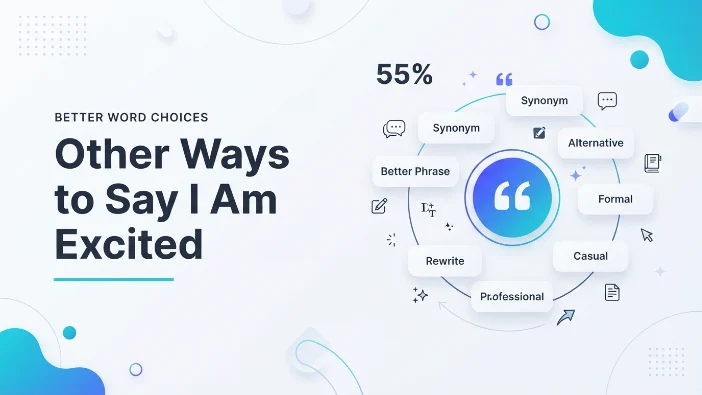
Other Ways to Say I Am Excited
These alternatives will help you sound more fluent, confident, and natural in different situations. Use them according to tone, context, and audience to express excitement, admiration, or approval.
1. Phrase: I Can’t Wait
Meaning: A strong desire for something to happen soon.
Explanation: Shows impatience mixed with enthusiasm.
Example Sentence: I can’t wait to see you this weekend.
Best Use: Casual conversations
Worst Use: Formal writing
Tone: Eager, warm
Context Variability: Casual, spoken
2. Phrase: I’m Thrilled
Meaning: A strong feeling of happiness or excitement.
Explanation: Slightly more polished and intense than “excited.”
Example Sentence: I’m thrilled to share this news with you.
Best Use: Announcements, emails
Worst Use: Overly casual chats
Tone: Enthusiastic, polished
Context Variability: Professional, written
3. Phrase: I’m Pumped
Meaning: Full of energy and enthusiasm.
Explanation: A high-energy, informal expression of excitement.
Example Sentence: I’m pumped for the game tonight.
Best Use: Sports, social events
Worst Use: Business meetings
Tone: Energetic, casual
Context Variability: Casual, spoken
4. Phrase: I’m Stoked
Meaning: Very excited or thrilled about something.
Explanation: A casual expression commonly used in American English.
Example Sentence: I’m stoked about the concert next month.
Best Use: Friends, social media
Worst Use: Formal documents
Tone: Playful, informal
Context Variability: Casual, spoken
5. Phrase: I’m Looking Forward to It
Meaning: Anticipating something with pleasure.
Explanation: A safe and widely accepted expression that works across many settings.
Example Sentence: I’m looking forward to the meeting on Friday.
Best Use: Emails, professional conversations
Worst Use: None; highly flexible
Tone: Polite, neutral
Context Variability: Casual, professional, written
6. Phrase: I’m Over the Moon
Meaning: Extremely happy or delighted.
Explanation: An expressive idiom that communicates intense joy.
Example Sentence: I’m over the moon about the promotion.
Best Use: Personal news
Worst Use: Formal reports
Tone: Joyful, expressive
Context Variability: Casual, spoken
7. Phrase: I’m Ecstatic
Meaning: Overwhelmingly happy or excited.
Explanation: A strong expression for an intense emotional reaction.
Example Sentence: I’m ecstatic about our vacation plans.
Best Use: Personal announcements
Worst Use: Understated business communication
Tone: Intense, expressive
Context Variability: Casual, professional
8. Phrase: I’m Eager
Meaning: Having a strong desire to do or experience something.
Explanation: Suggests enthusiasm, readiness, and motivation.
Example Sentence: I’m eager to start the new project.
Best Use: Workplace, interviews
Worst Use: Casual small talk
Tone: Motivated, formal
Context Variability: Professional, written
9. Phrase: I’m Psyched
Meaning: Mentally excited and ready for something.
Explanation: An informal expression of strong enthusiasm.
Example Sentence: I’m psyched for the road trip.
Best Use: Friends, casual settings
Worst Use: Formal writing
Tone: Energetic, youthful
Context Variability: Casual, spoken
10. Phrase: I’m on Cloud Nine
Meaning: Feeling extremely happy or elated.
Explanation: A classic idiom used to describe intense happiness.
Example Sentence: I’m on cloud nine after hearing the good news.
Best Use: Personal stories
Worst Use: Business communication
Tone: Joyful, idiomatic
Context Variability: Casual, spoken
11. Phrase: I’m Buzzing
Meaning: Full of excited energy.
Explanation: A British informal expression used to describe strong excitement.
Example Sentence: I’m buzzing about the trip next week.
Best Use: Informal chats
Worst Use: Formal emails
Tone: Lively, informal
Context Variability: Casual, spoken
12. Phrase: I’m Hyped
Meaning: Very enthusiastic and energized.
Explanation: Popular in casual conversations and online communication.
Example Sentence: I’m hyped for the new movie release.
Best Use: Social media, friends
Worst Use: Professional writing
Tone: Energetic, casual
Context Variability: Casual, spoken
13. Phrase: I’m Delighted
Meaning: Feeling great pleasure or satisfaction.
Explanation: A polished and relatively formal way to express happiness.
Example Sentence: I’m delighted to accept the invitation.
Best Use: Formal letters, invitations
Worst Use: Casual texting
Tone: Polite, refined
Context Variability: Professional, written
14. Phrase: I’m Enthusiastic
Meaning: Showing strong interest, excitement, and energy.
Explanation: A professional way to communicate positive energy and motivation.
Example Sentence: I’m enthusiastic about this new opportunity.
Best Use: Interviews, meetings
Worst Use: Casual small talk
Tone: Motivated, formal
Context Variability: Professional, written
15. Phrase: I’m Counting Down the Days
Meaning: Eagerly waiting for a specific date or event.
Explanation: Emphasizes anticipation and excitement as the event approaches.
Example Sentence: I’m counting down the days until the wedding.
Best Use: Personal events
Worst Use: Business updates
Tone: Anticipatory, warm
Context Variability: Casual, spoken
16. Phrase: I’m Fired Up
Meaning: Feeling energetic, passionate, and motivated.
Explanation: Suggests strong enthusiasm and readiness to take action.
Example Sentence: I’m fired up about the new marketing plan.
Best Use: Team meetings, motivation
Worst Use: Quiet formal settings
Tone: Bold, energetic
Context Variability: Professional, casual
17. Phrase: I’m Elated
Meaning: Extremely happy and excited.
Explanation: A formal and somewhat literary expression for great joy.
Example Sentence: I’m elated about the award nomination.
Best Use: Formal writing, speeches
Worst Use: Casual texting
Tone: Dignified, expressive
Context Variability: Professional, written
18. Phrase: I’m Keen
Meaning: Having eager interest or enthusiasm.
Explanation: Common in British English when expressing motivation or willingness.
Example Sentence: I’m keen to learn more about this topic.
Best Use: Workplace, study settings
Worst Use: Strong emotional contexts
Tone: Interested, professional
Context Variability: Professional, written
19. Phrase: I’m Jazzed
Meaning: Excited and enthusiastic.
Explanation: A casual American expression for strong excitement.
Example Sentence: I’m jazzed about the weekend plans.
Best Use: Friends, informal chats
Worst Use: Formal emails
Tone: Playful, informal
Context Variability: Casual, spoken
20. Phrase: I’m Anticipating This
Meaning: Expecting and looking forward to something.
Explanation: A neutral, slightly formal way to express interest in an upcoming event.
Example Sentence: I’m anticipating this event with great interest.
Best Use: Professional updates
Worst Use: Casual small talk
Tone: Measured, formal
Context Variability: Professional, written
21. Phrase: I’m Chomping at the Bit
Meaning: Very eager and impatient to start something.
Explanation: An idiom originally associated with horses that describes restless anticipation.
Example Sentence: I’m chomping at the bit to begin the project.
Best Use: Casual, energetic contexts
Worst Use: Formal reports
Tone: Impatient, vivid
Context Variability: Casual, spoken
22. Phrase: I’m All In
Meaning: Fully committed and enthusiastic.
Explanation: Communicates both willingness and strong commitment.
Example Sentence: I’m all in for this new challenge.
Best Use: Team settings, motivation
Worst Use: Formal documentation
Tone: Confident, bold
Context Variability: Casual, professional
23. Phrase: I’m Energized
Meaning: Feeling full of energy and motivation.
Explanation: A professional way to describe renewed enthusiasm after an experience or discussion.
Example Sentence: I’m energized after the strategy meeting.
Best Use: Workplace discussions
Worst Use: Casual texting
Tone: Motivated, formal
Context Variability: Professional, written
24. Phrase: I’m Exhilarated
Meaning: Feeling extremely excited, happy, or thrilled.
Explanation: A vivid and intense alternative to “excited.”
Example Sentence: I’m exhilarated after finishing the race.
Best Use: Personal achievements
Worst Use: Routine business updates
Tone: Intense, descriptive
Context Variability: Casual, professional
25. Phrase: I’m Jumping for Joy
Meaning: Feeling extremely happy and excited.
Explanation: A vivid idiom that portrays intense happiness through the image of physical excitement.
Example Sentence: I’m jumping for joy about the good results.
Best Use: Personal celebrations
Worst Use: Formal writing
Tone: Joyful, expressive
Context Variability: Casual, spoken
26. Phrase: I’m Geeked
Meaning: Extremely excited or enthusiastic.
Explanation: A slang expression commonly associated with casual and youthful speech.
Example Sentence: I’m geeked about the new gadget release.
Best Use: Informal conversations
Worst Use: Formal or professional writing
Tone: Playful, informal
Context Variability: Casual, spoken
27. Phrase: This Is Exciting News
Meaning: A statement expressing that information is thrilling or encouraging.
Explanation: Focuses on the news itself rather than the speaker’s personal emotions.
Example Sentence: This is exciting news for the whole team.
Best Use: Announcements, updates
Worst Use: Personal storytelling
Tone: Neutral, professional
Context Variability: Professional, written
28. Phrase: I Can Hardly Contain Myself
Meaning: Feeling so excited that it is difficult to remain calm.
Explanation: A dramatic and expressive way to communicate intense anticipation.
Example Sentence: I can hardly contain myself about the trip.
Best Use: Personal, emotional contexts
Worst Use: Formal business writing
Tone: Dramatic, expressive
Context Variability: Casual, spoken
29. Phrase: I’m Looking Forward to This Moment
Meaning: Anticipating a specific event with pleasure.
Explanation: A polished expression that emphasizes anticipation of an important occasion.
Example Sentence: I’ve been looking forward to this moment for months.
Best Use: Speeches, formal writing
Worst Use: Quick casual replies
Tone: Polished, sincere
Context Variability: Professional, written
30. Phrase: I’m Thrilled Beyond Words
Meaning: So excited or happy that the emotion is difficult to express.
Explanation: An emphatic expression used to communicate overwhelming excitement.
Example Sentence: I’m thrilled beyond words about this achievement.
Best Use: Emotional announcements
Worst Use: Routine communication
Tone: Emphatic, sincere
Context Variability: Casual, professional
“A single well-chosen word can carry more emotion than an entire sentence.”
Mini Quiz: Self-Check
- Which phrase is most appropriate for a formal business email?
A) I’m stoked
B) I am delighted
C) I’m geeked
D) I’m buzzing - Which phrase sounds most natural in a casual text to a friend about an upcoming concert?
A) I am enthusiastic
B) I’m psyched
C) I am pleased to announce
D) I am eager to proceed - True or False: “I am excited” is always the most professional choice in a job interview.
- Which phrase best suggests impatience and eagerness while waiting for something to begin?
A) I’m chomping at the bit
B) I’m delighted
C) This is exciting news
D) I am pleased
Answers: 1) B, 2) B, 3) False, 4) A
“Tone awareness is one of the fastest ways to sound like a fluent English speaker.”
Comparison Table: Top Alternatives
| Phrase | Tone | Best Use |
|---|---|---|
| I can’t wait | eager, warm | casual conversations |
| I’m thrilled | enthusiastic, polished | announcements, emails |
| I’m pumped | energetic, casual | sports, social events |
| I’m looking forward to it | polite, neutral | emails, professional talk |
| I’m ecstatic | intense, expressive | personal announcements |
| I’m eager | motivated, formal | workplace, interviews |
| I’m delighted | polite, refined | formal letters, invitations |
| I’m enthusiastic | motivated, formal | interviews, meetings |
| I’m elated | dignified, expressive | formal writing, speeches |
| I’m energized | motivated, formal | workplace discussions |
FAQs
What is a formal way to say “I am excited”?
Use phrases like “I am delighted,” “I am pleased,” or “I am eager,” which sound more polished in professional writing.
What is a casual way to say “I am excited”?
Try “I can’t wait,” “I’m stoked,” or “I’m pumped” for friendly, informal conversations.
Is “I am excited” grammatically correct?
Yes, it is correct. It follows the pattern “subject + to be + adjective,” often followed by “about” or “for.”
Can I use “I’m thrilled” in a job interview?
Yes, “I’m thrilled” is professional and expressive, making it suitable for interviews and formal introductions.
What are some professional reaction phrases for good news?
Phrases like “I am pleased to hear this,” “This is excellent news,” and “I am delighted by this update” work well professionally.
Conclusion
Learning different ways to express excitement helps you sound more natural, confident, and fluent in everyday English. Instead of repeating “I am excited,” you now have thirty alternatives to match any tone, from formal business writing to casual conversations with friends.
Practice using a few new phrases every day, and pay close attention to tone and context before choosing your words. Over time, this awareness will make your spoken and written English sound polished, professional, and genuinely expressive.
Read More Related Articles:
- Other Ways to Say Good Morning | Instantly Brighten Someone’s Day In 2026
- Other Ways to Say “Stay Safe” | Make Your Messages More Meaningful In 2026
- Other Ways to Say Good Morning Beautiful | Express Affection More Creatively In 2026

Victoria Hughes is a content writer dedicated to making communication clearer and more effective. Through TextsResponse.com, she shares practical insights and thoughtfully crafted response ideas that help readers express themselves with confidence.