Quick Answer 🔥
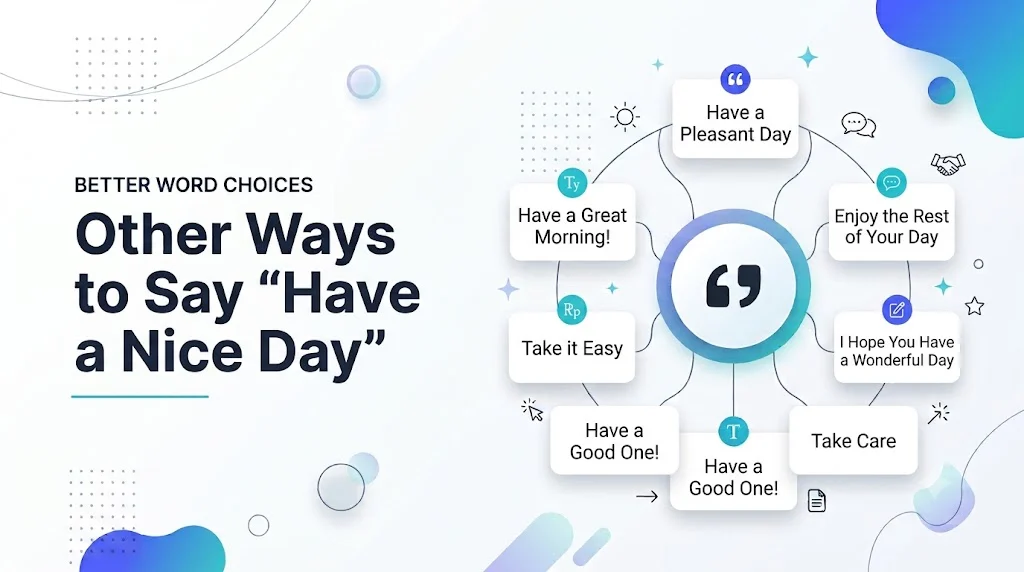
Have a good one | Enjoy your day | Take care | Wishing you a wonderful day | Hope your day goes well
“Have a nice day” is one of the most common English farewells used to wish someone a pleasant day ahead. It is typically spoken by service employees to customers at the end of a transaction, but it has become a universal way of saying goodbye in everyday conversation.
While the phrase is polite and widely understood, using it repeatedly can make your English sound predictable and routine. Learning alternatives to “have a nice day” will help you sound more fluent, thoughtful, and natural in different situations whether you are speaking with a colleague, a client, or a close friend. By expanding your vocabulary, you can express excitement in English more genuinely and tailor your message to the right tone and context.
Quick Categories
Formal Alternatives to “Have a Nice Day”
- Hope you have a pleasant day
- Wishing you a productive day
- I hope your day goes well
- Have a wonderful day
- All the best for today
💡 Pro Tip: Formal alternatives are best for professional emails, client interactions, and workplace communication. Use longer, more polished phrases to convey respect and sophistication.
Casual Alternatives
💡 Pro Tip: Casual phrases work well with friends, family, and colleagues you know well. They help you sound relaxed and natural without being overly formal.
Professional Alternatives
- Have a productive day
- Hope your day is as wonderful as you are
- Wishing you success in all you do
- Make the most of your day
- Enjoy the rest of your day
💡 Pro Tip: Professional alternatives show you care about the other person’s success and well-being, making you sound more thoughtful and engaged.
Informal Expressions
💡 Pro Tip: Informal expressions are great for friends and social settings. They add personality and energy to your farewells but should be avoided in professional contexts.
“The right tone makes your English sound professional and confident.”
Common Mistakes to Avoid
1. Using “have a nice day” too late at night
Saying “have a nice day” in the evening can be confusing. Use “have a good evening” or “have a good night” instead.
2. Overusing the same phrase in professional emails
Repeating “have a nice day” in every email makes you sound robotic. Vary your closings to appear more engaged.
3. Using casual alternatives in formal settings
Saying “catch you later” to a client or senior executive can come across as unprofessional.
4. Using informal expressions with strangers
Phrases like “peace out” or “rock the day” are too familiar for people you don’t know well.
5. Forgetting to match the tone to the relationship
Using overly formal language with friends can sound distant, while casual language with superiors can seem disrespectful.
What Does “Have a Nice Day” Mean?
“Have a nice day” is a friendly phrase used to wish someone a pleasant and enjoyable day ahead. It is a polite way of expressing good wishes when saying goodbye or ending a conversation.
Grammar: The phrase uses the imperative mood (“have”) followed by a noun phrase (“a nice day”). It is grammatically correct and appropriate for both informal and formal scenarios.
Example Sentence: “Thank you for shopping here; have a nice day!”
When to Use “Have a Nice Day”
- At the end of a conversation (casual or professional)
- In emails, chat, or customer service interactions
- As a universal kind gesture to close conversations warmly
- When saying goodbye to customers in a store or business
- In everyday farewells with acquaintances and colleagues
Spoken vs Written: Commonly used in both spoken and written English.
Formal vs Informal: Suitable for both, though it leans slightly more casual.
Is It Professional or Polite to Say “Have a Nice Day”?
Polite? ✔️ Yes. “Have a nice day” is widely regarded as a polite and friendly phrase.
Professional? ❌ No (in most cases). While it is acceptable in customer service and casual workplace interactions, it is often considered too generic and informal for serious professional communication.
Business-style example: “Thank you for your time today. I hope you have a pleasant afternoon.”
“A farewell that feels personal will always be remembered more than one that feels automatic.”
Pros and Cons of Using “Have a Nice Day”
Pros:
- Simple and natural
- Friendly tone
- Common usage
- Easy to understand
Cons:
Other Ways to Say “Have a Nice Day”
These other ways to say “have a nice day” will help you sound more fluent, confident, and natural in different situations. Use them according to tone, context, and audience to express excitement, admiration, or approval.
1. Have a Good One
- Meaning: A casual way to wish someone a good day.
- Explanation: “One” implies the “day,” making the phrase sound less robotic and more colloquial.
- Example Sentence: “I’m off now have a good one! See you tomorrow.”
- Best Use: Friends, family
- Worst Use: Formal emails
- Tone: Casual, relaxed
- Context Variability: Spoken
2. Take It Easy
- Meaning: A relaxed way to tell someone not to stress and have a calm day.
- Explanation: Encourages the person to enjoy a chilled-out day without overexerting themselves.
- Example Sentence: “Take it easy, Michael! I’ll see you soon.”
- Best Use: Friends, family
- Worst Use: Professional settings
- Tone: Relaxed, warm
- Context Variability: Spoken
3. Enjoy Your Day
- Meaning: A friendly, casual wish for someone to have a good day.
- Explanation: This is a warmer, more engaging way to wish someone well.
- Example Sentence: “Great seeing you! Enjoy your day.”
- Best Use: Casual interactions
- Worst Use: Formal business letters
- Tone: Friendly, casual
- Context Variability: Spoken, written
4. Take Care
- Meaning: A caring expression used when parting ways.
- Explanation: Conveys concern for someone’s well-being more personal than a simple goodbye.
- Example Sentence: “It was nice meeting you! Take care and see you soon!”
- Best Use: Showing concern
- Worst Use: Very formal writing
- Tone: Warm, thoughtful
- Context Variability: Spoken, written
5. Have a Great Day
- Meaning: A cheerful, positive wish for a wonderful day ahead.
- Explanation: Slightly more enthusiastic than “have a nice day.”
- Example Sentence: “Thanks for your help! Have a great day ahead!”
- Best Use: Friendly messages
- Worst Use: Highly formal documents
- Tone: Upbeat, positive
- Context Variability: Spoken, written
6. Wishing You a Wonderful Day
- Meaning: A more formal and thoughtful version of “have a nice day.”
- Explanation: Feels more genuine and is often used to convey care and formality.
- Example Sentence: “It was lovely chatting with you wishing you a wonderful day!”
- Best Use: Professional emails
- Worst Use: Casual chats with friends
- Tone: Warm, professional
- Context Variability: Written
7. Hope Your Day Goes Well
- Meaning: A polite, neutral way to wish someone well.
- Explanation: Works well when you don’t know the person too personally.
- Example Sentence: “Hope your day goes well talk soon!”
- Best Use: Acquaintances, colleagues
- Worst Use: Close friends
- Tone: Neutral, polite
- Context Variability: Spoken, written
8. Hope You Have a Pleasant Day
- Meaning: A formal alternative to “have a nice day.”
- Explanation: The addition of longer words gives this phrase a more sophisticated feeling.
- Example Sentence: “It was lovely to see you again I hope you have a pleasant day.”
- Best Use: Professional environments
- Worst Use: Casual conversations
- Tone: Formal, polite
- Context Variability: Written
9. Have a Productive Day
- Meaning: A great phrase to wish someone success and efficiency in their workday.
- Explanation: Shows you care about the person’s professional success.
- Example Sentence: “Have a productive day I’ll check in with you later.”
- Best Use: Work emails, colleagues
- Worst Use: Social settings
- Tone: Professional, encouraging
- Context Variability: Written
10. Enjoy the Rest of Your Day
- Meaning: Useful when part of the day has already passed.
- Explanation: Acknowledges that the day is already in progress.
- Example Sentence: “Enjoy the rest of your day see you tomorrow!”
- Best Use: Afternoon farewells
- Worst Use: Morning conversations
- Tone: Polite, friendly
- Context Variability: Spoken, written
11. Have a Lovely Day
- Meaning: A gentle and polite day wish.
- Explanation: Adds a touch of warmth and sincerity.
- Example Sentence: “Have a lovely day with your family.”
- Best Use: Warm farewells
- Worst Use: Formal business documents
- Tone: Warm, gentle
- Context Variability: Spoken, written
12. Make the Most of Your Day
- Meaning: An encouraging phrase reminding someone to be productive and enjoy their time.
- Explanation: Inspires the person to focus and enjoy what they are doing.
- Example Sentence: “Good luck with your projects make the most of your day!”
- Best Use: Motivational messages
- Worst Use: Formal emails
- Tone: Motivational, uplifting
- Context Variability: Spoken, written
13. Hope Your Day Is Full of Joy
- Meaning: A caring wish for happiness and positivity.
- Explanation: Feels less mechanical and more heartfelt.
- Example Sentence: “Good luck with your big meeting hope your day is full of joy!”
- Best Use: Supportive notes
- Worst Use: Formal business contexts
- Tone: Cheerful, friendly
- Context Variability: Spoken, written
14. Take Care of Yourself Today
- Meaning: Combines kindness with a reminder for self-care.
- Explanation: Goes beyond politeness shows genuine concern for the person’s well-being.
- Example Sentence: “You’ve been working so hard take care of yourself today.
- Best Use: Personal conversations
- Worst Use: Corporate emails
- Tone: Compassionate, gentle
- Context Variability: Spoken, written
15. Have a Pleasant Day
- Meaning: A polite phrase for formal or semi-formal use.
- Explanation: Almost identical to “have a nice day,” but “pleasant” adds a slightly more formal tone.
- Example Sentence: “Have a pleasant day, and please let me know how you get on.”
- Best Use: Formal farewells
- Worst Use: Casual chats
- Tone: Formal, polite
- Context Variability: Spoken, written
16. All the Best for Today
- Meaning: A courteous farewell suitable for formal and semi-formal settings.
- Explanation: A versatile closing that works across many contexts.
- Example Sentence: “All the best for today hope everything goes smoothly.”
- Best Use: Semi-formal settings
- Worst Use: Very informal conversations
- Tone: Courteous, neutral
- Context Variability: Spoken, written
17. Make Today Amazing
- Meaning: Encourages the person to make the most out of their day.
- Explanation: A motivational push to seize the day.
- Example Sentence: “Make today amazing you’ve got this!”
- Best Use: Encouraging friends
- Worst Use: Professional emails
- Tone: Motivational, energetic
- Context Variability: Spoken
18. Have a Blast Today
- Meaning: Means to enjoy the day to the fullest.
- Explanation: Implies fun and excitement.
- Example Sentence: “Have a blast today at the concert!”
- Best Use: Friends, social events
- Worst Use: Work contexts
- Tone: Fun, excited
- Context Variability: Spoken
19. Hope Your Day Is as Great as You Are
- Meaning: A personalized wish that gives a compliment while hoping for a great day.
- Explanation: Makes the recipient feel valued and appreciated.
- Example Sentence: “Hope your day is as great as you are see you later!”
- Best Use: Friends, close colleagues
- Worst Use: Formal business letters
- Tone: Warm, complimentary
- Context Variability: Spoken, written
20. Wishing You a Peaceful Day
- Meaning: A calm and caring phrase.
- Explanation: Ideal for someone who may be stressed or overwhelmed.
- Example Sentence: “Wishing you a peaceful day take things slowly.”
- Best Use: Supportive messages
- Worst Use: High-energy settings
- Tone: Calm, caring
- Context Variability: Spoken, written
21. May Your Day Be Kind to You
- Meaning: A gentle phrase for someone facing a busy day.
- Explanation: Soft, thoughtful, and empathetic.
- Example Sentence: “May your day be kind to you you deserve it.”
- Best Use: Encouraging others
- Worst Use: Professional emails
- Tone: Gentle, thoughtful
- Context Variability: Spoken, written
22. Wishing You a Lovely Day Ahead
- Meaning: A warm, forward-looking wish.
- Explanation: Adds a sense of anticipation for the rest of the day.
- Example Sentence: “Wishing you a lovely day ahead enjoy every moment!”
- Best Use: Morning farewells
- Worst Use: Formal documents
- Tone: Warm, friendly
- Context Variability: Written
23. Hope Today Brings You Joy
- Meaning: A caring and positive day wish.
- Explanation: Focuses on the positive outcomes of the day.
- Example Sentence: “Hope today brings you joy and good news.”
- Best Use: Personal messages
- Worst Use: Business contexts
- Tone: Caring, positive
- Context Variability: Spoken, written
24. Have a Bright Day Ahead
- Meaning: A cheerful phrase for a positive send-off.
- Explanation: Uses “bright” to convey optimism and positivity.
- Example Sentence: “Have a bright day ahead stay positive!”
- Best Use: Morning greetings
- Worst Use: Formal settings
- Tone: Cheerful, optimistic
- Context Variability: Spoken, written
25. Enjoy Every Moment Today
- Meaning: Encourages the person to appreciate every part of their day.
- Explanation: A mindful and appreciative farewell.
- Example Sentence: “Enjoy every moment today you deserve it.”
- Best Use: Friends, family
- Worst Use: Professional emails
- Tone: Mindful, warm
- Context Variability: Spoken, written
26. Hope Your Day Treats You Well
- Meaning: A kind phrase for wishing someone a smooth day.
- Explanation: Personifies the day as something that can treat the person well.
- Example Sentence: “Hope your day treats you well see you soon!”
- Best Use: Close friends
- Worst Use: Formal contexts
- Tone: Kind, warm
- Context Variability: Spoken, written
27. Good Day
- Meaning: A very polite and formal way to say goodbye.
- Explanation: Typically used in formal or old-fashioned contexts.
- Example Sentence: “Good day to you, sir.”
- Best Use: Very formal settings
- Worst Use: Casual conversations
- Tone: Formal, polite
- Context Variability: Spoken
28. Catch You Later
- Meaning: Used when you expect to see the person again soon.
- Explanation: Casual and friendly, implying a future meeting.
- Example Sentence: “Catch you later have a good one!”
- Best Use: Friends, colleagues
- Worst Use: Professional settings
- Tone: Casual, friendly
- Context Variability: Spoken
29. See You Around
- Meaning: Used when you’re not sure when you’ll see the person next.
- Explanation: Implies you expect to cross paths eventually.
- Example Sentence: “See you around take care!”
- Best Use: Casual farewells
- Worst Use: Formal contexts
- Tone: Casual, relaxed
- Context Variability: Spoken
30. Have an Awesome Day
- Meaning: A more enthusiastic and positive version of wishing someone a good day.
- Explanation: Adds energy and excitement to your farewell.
- Example Sentence: “Have an awesome day you’re going to do great!”
- Best Use: Friends, encouraging others
- Worst Use: Formal emails
- Tone: Enthusiastic, positive
- Context Variability: Spoken, written
“Expanding your farewell vocabulary is one of the fastest ways to sound more fluent and thoughtful in English.”
Mini Quiz / Self-Check
1. Which phrase is most appropriate for a professional email to a client?
- A) Catch you later
- B) Have a good one
- C) Wishing you a productive day
- D) Peace out
2. You are saying goodbye to a close friend who is about to go on vacation. Which phrase would be best?
- A) Hope you have a pleasant day
- B) Have a blast!
- C) Good day
- D) Wishing you a productive day
3. It is 8:00 PM and you are leaving work. What should you say?
- A) Have a nice day
- B) Have a good evening
- C) Make today amazing
- D) Have a bright day ahead
4. You want to sound caring and supportive to a colleague who is stressed. Which phrase works best?
- A) Take it easy
- B) Catch you later
- C) Wishing you a peaceful day
- D) Have a blast today
🔑 Answer Key
- 4. C Wishing you a peaceful day
- 1. C Wishing you a productive day
- 2. B Have a blast!
- 3. B Have a good evening
“Choosing the right farewell shows emotional intelligence and cultural awareness in English.”
Comparison Table: Top Alternatives
| Phrase | Tone | Best Use |
|---|---|---|
| Have a good one | Casual | Friends, family |
| Enjoy your day | Friendly | Everyday farewells |
| Take care | Warm | Showing concern |
| Wishing you a wonderful day | Professional | Emails, customer service |
| Hope your day goes well | Neutral | Acquaintances, colleagues |
| Have a pleasant day | Formal | Professional settings |
| Make the most of your day | Motivational | Encouraging others |
| Take it easy | Relaxed | Friends, family |
| Hope your day is full of joy | Cheerful | Supportive notes |
| Good day | Very formal | Formal farewells |
FAQs
1. Is “have a nice day” professional?
Note on usage: While “have a nice day” is widely accepted, polite, and completely fine for general workplace chats, it can sound a bit generic or overly casual in high-level business writing. For polished corporate emails, alternatives like “Wishing you a productive day” or “Hope you have a pleasant day” are great choices.
2. What is the best formal alternative to “have a nice day”?
“Hope you have a pleasant day” is an excellent formal choice. It strikes a sophisticated, refined tone that works perfectly in executive or client-facing environments.
3. Can I say “have a nice day” in an email?
Yes! It works great in routine emails or customer service interactions. However, for formal correspondence, pitch proposals, or senior executive sign-offs, picking a more tailored alternative adds extra polish.
4. What is a casual way to say “have a nice day”?
“Have a good one!” is the go-to casual alternative. It is versatile, friendly, and extremely popular among native speakers in day-to-day conversation.
5. Is it rude to say “have a nice day”?
Not at all. It is polite and friendly. However, because it’s so common, it can sometimes feel routine or automatic using fresh alternatives makes your sign-offs feel more personal and thoughtful!
Conclusion
Learning other ways to say “have a nice day” is a simple but powerful way to improve your English fluency and communication skills. By choosing the right phrase for the right context, you can sound more professional, more caring, or more casual depending on what the situation requires.
Start practicing these alternatives to “have a nice day” in your daily conversations. Pay attention to the tone and relationship with the person you are speaking to. With consistent practice, you will naturally expand your vocabulary and communicate with greater confidence and precision.
Read More Related Articles:
- Other Ways to Say “Similarly” | Smart Synonyms You’ll Use Every Day In 2026
- Other Ways to Say I Agree | Fit Every Situation Perfectly In 2026
- Other Ways to Say That Being Said | Smarter & More Fluent Alternatives In 2026

Victoria Hughes is a content writer dedicated to making communication clearer and more effective. Through TextsResponse.com, she shares practical insights and thoughtfully crafted response ideas that help readers express themselves with confidence.