Quick Answer
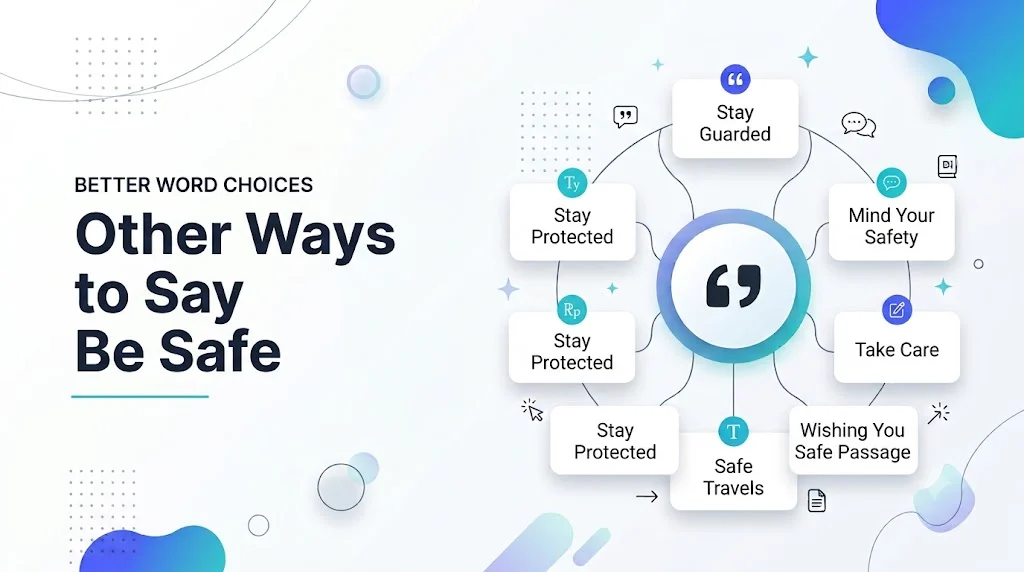
Looking for other ways to say “be safe”? The most common alternatives are take care, stay safe, watch your back, stay alert, and stay protected. These phrases help you sound more natural, caring, and context-appropriate whether you are texting a friend or writing a professional safety notice.
Be safe” is one of the most common phrases in English, used to show concern for someone’s wellbeing before they leave, travel, or face a risky situation. People say it at the end of phone calls, in text messages, and even in workplace safety briefings.
Knowing several alternatives to “be safe” helps you avoid sounding repetitive and allows you to match your tone to the situation, whether that is casual, formal, or professional. It also helps you express excitement in English when combined with warmth, such as wishing someone well before an exciting trip or adventure.
Learning these variations improves your fluency, strengthens your vocabulary, and helps you communicate care and professionalism naturally in both spoken and written English.
The right tone makes your English sound professional and confident.”
Quick Categories
Formal Alternatives to “Be Safe”
- Please exercise caution
- Kindly prioritize your safety
- Take the necessary precautions
- Ensure your personal safety at all times
Pro Tip: Use formal alternatives in emails, official notices, and workplace communication to sound polished and professional.
Casual Alternatives
- Take care
- Stay safe
- Look after yourself
- Watch yourself
Pro Tip: Save casual alternatives for friends and family; they sound warm but too relaxed for business settings.
Professional Alternatives
- Please remain vigilant
- Stay alert during your commute
- Follow all safety protocols
- Prioritize your wellbeing on-site
Pro Tip: Professional alternatives work well in workplace emails, HR communications, and safety training materials.
Informal Expressions
- Watch your back
- Don’t do anything impulsive
- Stay out of trouble
- Play it safe out there
Pro Tip: Informal expressions are great for texting or chatting with close friends, but avoid them in written business communication.
“Choosing the right phrase shows emotional intelligence, not just vocabulary.”
Common Mistakes
- Using “be safe” in every formal email. Example: “Please be safe” sounds too casual in a corporate safety memo.
- Overusing the same phrase repeatedly in writing. Example: Repeating “stay safe” three times in one message feels robotic.
- Mixing formal and informal tone in one sentence. Example: “Kindly stay safe out there, bro” mismatches tone.
- Forgetting context, like weather or travel. Example: Saying “be safe” without mentioning the storm sounds vague.
- Using it as a substitute for actual safety instructions. Example: “Be safe” alone doesn’t tell workers to wear helmets or follow protocol.
What Does “Be Safe” Mean?
“Be safe” is an imperative expression used to wish someone protection from harm, danger, or risk. Grammatically, it combines the verb “be” with the adjective “safe,” forming a direct command or well-wish.
Example Sentence: “Drive carefully tonight, and be safe on the highway.”
When to Use “Be Safe”
- Before someone travels or drives
- During bad weather conditions
- When saying goodbye to a friend or family member
- In workplace safety reminders
Spoken Usage
Commonly used casually at the end of conversations or phone calls.
Written Usage
Appears in texts, emails, and safety signage, though formal writing usually requires a more professional alternative.
Is It Professional or Polite to Say “Be Safe”?
“Be safe” is polite and caring, but it is often too casual for formal business writing.
Business Example: Instead of “Be safe on your trip,” a professional email might say, “Please ensure your safety and follow all travel protocols.
Polite? Yes Professional? No (in most formal contexts)
Pros and Cons of Using “Be Safe”
Pros
- Simple and natural
- Friendly tone
- Common usage
- Easy to understand
Cons
- Too informal for work
- Overused
- Limited emotional range
- Not suitable for formal writing
Fluency isn’t about big words, it’s about choosing the right word at the right time.”
Other Ways to Say Be Safe
These alternatives will help you sound more fluent, confident, and natural in different situations. Use them according to tone, context, and audience to express excitement, admiration, or approval when wishing someone well.
1. Take Care
- Meaning: A gentle way to wish someone wellbeing.
- Explanation: Common at the end of conversations.
- Example Sentence: “Take care on your way home.”
- Best Use: Casual goodbyes
- Worst Use: Formal reports
- Tone: Warm, friendly, caring
- Context Variability: Casual / spoken
2. Stay Safe
- Meaning: A direct wish for someone’s protection.
- Explanation: Widely used in texts and calls.
- Example Sentence: “Stay safe during the storm tonight.”
- Best Use: Texts, calls
- Worst Use: Legal documents
- Tone: Caring, simple, direct
- Context Variability: Casual / spoken
3. Look After Yourself
- Meaning: Encourages self-care and caution.
- Explanation: Often used between close friends or family.
- Example Sentence: “Look after yourself while you’re traveling alone.”
- Best Use: Personal messages
- Worst Use: Workplace memos
- Tone: Affectionate, personal
- Context Variability: Casual / spoken
4. Watch Your Back
- Meaning: A warning to stay alert to danger.
- Explanation: Suggests possible risk or threat nearby.
- Example Sentence: “It’s late, so watch your back walking home.”
- Best Use: Informal warnings
- Worst Use: Formal writing
- Tone: Protective, cautious
- Context Variability: Informal / spoken
5. Stay Out of Harm’s Way
- Meaning: Advises avoiding dangerous situations.
- Explanation: Slightly more descriptive and cautious.
- Example Sentence: “During the protest, please stay out of harm’s way.”
- Best Use: Safety advisories
- Worst Use: Casual texting
- Tone: Serious, protective
- Context Variability: Professional / written
6. Play It Safe
- Meaning: Suggests avoiding unnecessary risks.
- Explanation: Encourages a cautious approach to decisions.
- Example Sentence: “With the roads icy, it’s best to play it safe.”
- Best Use: Casual advice
- Worst Use: Legal notices
- Tone: Cautious, relaxed
- Context Variability: Casual / spoken
7. Keep Yourself Safe
- Meaning: A direct reminder to prioritize personal safety.
- Explanation: Slightly more emphatic than “be safe.”
- Example Sentence: “Keep yourself safe during the hike.”
- Best Use: Outdoor activities
- Worst Use: Corporate emails
- Tone: Caring, direct
- Context Variability: Casual / spoken
8. Stay Alert
- Meaning: Encourages awareness of surroundings.
- Explanation: Common in security or workplace contexts.
- Example Sentence: “Stay alert while operating heavy machinery.”
- Best Use: Workplace safety
- Worst Use: Casual farewells
- Tone: Professional, cautious
- Context Variability: Professional / written
9. Be Careful
- Meaning: A general warning to act cautiously.
- Explanation: One of the most versatile safety phrases.
- Example Sentence: “Be careful on the wet floor.”
- Best Use: Everyday situations
- Worst Use: Legal documents
- Tone: Simple, direct
- Context Variability: Casual / spoken
10. Exercise Caution
- Meaning: A formal way to advise carefulness.
- Explanation: Common in official notices and instructions.
- Example Sentence: “Please exercise caution near the construction site.”
- Best Use: Formal notices
- Worst Use: Casual chats
- Tone: Formal, professional
- Context Variability: Professional / written
11. Stay Vigilant
- Meaning: Encourages continuous alertness.
- Explanation: Often used in security or safety training.
- Example Sentence: “Employees must stay vigilant during night shifts.”
- Best Use: Workplace training
- Worst Use: Friendly texts
- Tone: Serious, professional
- Context Variability: Professional / written
12. Protect Yourself
- Meaning: Advises taking action to avoid harm.
- Explanation: Suggests active precautionary measures.
- Example Sentence: “Protect yourself with proper gear before entering.”
- Best Use: Safety instructions
- Worst Use: Casual farewells
- Tone: Cautious, direct
- Context Variability: Professional / spoken
13. Stay Cautious
- Meaning: A milder, ongoing reminder to be careful.
- Explanation: Suitable for extended situations like travel.
- Example Sentence: “Stay cautious while driving through fog.”
- Best Use: Travel advisories
- Worst Use: Casual jokes
- Tone: Careful, measured
- Context Variability: Professional / written
14. Mind Your Safety
- Meaning: A polite reminder to prioritize wellbeing.
- Explanation: Slightly formal and considerate in tone.
- Example Sentence: “Mind your safety when crossing the street.”
- Best Use: Polite reminders
- Worst Use: Casual slang contexts
- Tone: Polite, careful
- Context Variability: Professional / spoken
15. Keep Safe
- Meaning: A shorter variation of “stay safe.”
- Explanation: Common in British English usage.
- Example Sentence: “Keep safe on your journey home.”
- Best Use: Casual goodbyes
- Worst Use: Formal reports
- Tone: Warm, brief
- Context Variability: Casual / spoken
16. Stay on Guard
- Meaning: Suggests remaining watchful for danger.
- Explanation: Implies a heightened sense of alertness.
- Example Sentence: “Stay on guard in unfamiliar neighborhoods.”
- Best Use: Safety warnings
- Worst Use: Friendly farewells
- Tone: Cautious, alert
- Context Variability: Informal / spoken
17. Don’t Take Any Risks
- Meaning: Advises avoiding risky decisions.
- Explanation: Direct and practical advice.
- Example Sentence: “Don’t take any risks climbing that ledge.”
- Best Use: Practical advice
- Worst Use: Formal writing
- Tone: Direct, concerned
- Context Variability: Casual / spoken
18. Stay Protected
- Meaning: Encourages using safety measures.
- Explanation: Often used with equipment or precautions.
- Example Sentence: “Stay protected by wearing your helmet.”
- Best Use: Safety instructions
- Worst Use: Casual chats
- Tone: Practical, caring
- Context Variability: Professional / written
19. Be on the Safe Side
- Meaning: Suggests choosing the more cautious option.
- Explanation: Often used before making decisions.
- Example Sentence: “To be on the safe side, take an umbrella.”
- Best Use: Everyday advice
- Worst Use: Formal notices
- Tone: Practical, casual
- Context Variability: Casual / spoken
20. Take Precautions
- Meaning: Advises preparing for potential risks.
- Explanation: Common in official and medical contexts.
- Example Sentence: “Take precautions before traveling abroad.”
- Best Use: Formal advisories
- Worst Use: Casual texting
- Tone: Formal, cautious
- Context Variability: Professional / written
21. Stay Secure
- Meaning: Encourages maintaining safety and stability.
- Explanation: Often used in financial or physical safety contexts.
- Example Sentence: “Stay secure by locking all doors at night.”
- Best Use: Security contexts
- Worst Use: Casual farewells
- Tone: Formal, protective
- Context Variability: Professional / written
22. Watch Out for Yourself
- Meaning: A reminder to be self-aware of danger.
- Explanation: Slightly informal and protective in tone.
- Example Sentence: “Watch out for yourself in that part of town.”
- Best Use: Casual warnings
- Worst Use: Professional emails
- Tone: Protective, informal
- Context Variability: Informal / spoken
23. Keep an Eye Out
- Meaning: Advises staying observant of surroundings.
- Explanation: Suggests awareness rather than direct danger.
- Example Sentence: “Keep an eye out for slippery patches on the trail.”
- Best Use: Outdoor activities
- Worst Use: Legal writing
- Tone: Casual, alert
- Context Variability: Casual / spoken
24. Stay Careful
- Meaning: A simple, direct reminder of caution.
- Explanation: Slightly less common but easily understood.
- Example Sentence: “Stay careful while handling the equipment.”
- Best Use: Practical instructions
- Worst Use: Formal documents
- Tone: Direct, simple
- Context Variability: Casual / spoken
25. Look Both Ways
- Meaning: A specific safety instruction, often about crossing streets.
- Explanation: Common in everyday practical advice.
- Example Sentence: “Look both ways before crossing the road.”
- Best Use: Everyday safety
- Worst Use: Abstract contexts
- Tone: Practical, instructive
- Context Variability: Casual / spoken
26. Guard Yourself
- Meaning: Advises protecting oneself from potential harm.
- Explanation: Suggests a defensive, proactive stance.
- Example Sentence: “Guard yourself against scams while shopping online.”
- Best Use: Caution advisories
- Worst Use: Casual farewells
- Tone: Protective, formal
- Context Variability: Professional / written
27. Stay Defensive
- Meaning: Encourages a cautious, protective mindset.
- Explanation: Common in driving or conflict-related contexts.
- Example Sentence: “Stay defensive while driving in heavy traffic.”
- Best Use: Driving advice
- Worst Use: Casual chats
- Tone: Alert, practical
- Context Variability: Professional / spoken
28. Keep Your Guard Up
- Meaning: Advises remaining alert to potential threats.
- Explanation: Often used metaphorically as well as literally.
- Example Sentence: “Keep your guard up in unfamiliar situations.”
- Best Use: Cautionary advice
- Worst Use: Formal notices
- Tone: Alert, informal
- Context Variability: Informal / spoken
29. Prioritize Your Safety
- Meaning: A formal way to emphasize personal wellbeing.
- Explanation: Common in corporate and medical communication.
- Example Sentence: “Please prioritize your safety during the field visit.”
- Best Use: Professional reminders
- Worst Use: Casual texts
- Tone: Formal, professional
- Context Variability: Professional / written
30. Travel Safely
- Meaning: A specific well-wish for someone traveling.
- Explanation: Common farewell before a trip.
- Example Sentence: “Travel safely and text me when you land.”
- Best Use: Travel farewells
- Worst Use: Unrelated contexts
- Tone: Warm, caring
- Context Variability: Casual / spoken
Mini Quiz
Here is the multiple-choice quiz with the answer key:
📝 Practice Quiz
1. Which phrase is most appropriate for a formal workplace safety email?
- A) Watch your back
- B) Please exercise caution
- C) Play it safe
- D) Stay out of trouble
2. Which alternative fits best when texting a close friend before a road trip?
- A) Prioritize your safety
- B) Take precautions
- C) Stay safe
- D) Stay vigilant
3. Which phrase implies awareness of surroundings rather than direct danger?
- A) Keep an eye out
- B) Guard yourself
- C) Stay defensive
- D) Travel safely
4. Which of these sounds too informal for a business report?
- A) Stay vigilant
- B) Exercise caution
- C) Watch your back
- D) Take precautions
🔑 Answer Key
4. C Watch your back
1. B Please exercise caution
2. C Stay safe
3. A Keep an eye out
“Practice daily, and tone awareness becomes second nature.”
Comparison Table: Top Alternatives
| Phrase | Tone | Best Use |
|---|---|---|
| Take Care | warm, friendly | casual goodbyes |
| Stay Safe | caring, direct | texts, calls |
| Watch Your Back | protective, cautious | informal warnings |
| Exercise Caution | formal, professional | official notices |
| Stay Alert | professional, cautious | workplace safety |
| Be Careful | simple, direct | everyday situations |
| Stay Vigilant | serious, professional | security training |
| Prioritize Your Safety | formal, professional | corporate reminders |
| Play It Safe | cautious, relaxed | casual advice |
| Travel Safely | warm, caring | travel farewells |
FAQs
Q1: What is a formal way to say “be safe” in an email?
Use phrases like “Please exercise caution” or “Kindly prioritize your safety” for a polished, professional tone.
Q2: Is “stay safe” the same as “be safe”?
Yes, they are nearly identical in meaning. However, “stay safe” slightly emphasizes maintaining a continuous state of safety that is already in place.
Q3: What are casual alternatives to “be safe” for texting friends?
For everyday texts with friends or family, common options include:
- “Take care”
- “Stay safe”
- “Look after yourself”
Q4: Can “be safe” be used in workplace safety training?
While understood, it is better to use precise, professional terms in official settings. Consider using:
- “Stay alert”
- “Follow all safety protocols”
- “Take necessary precautions”
Q5: How can I sound more natural when wishing someone safety in English?
Match your phrase to the context: use relaxed, warm expressions like “keep safe” with close friends, and structured phrasing like “exercise caution” in business or formal writing.
Conclusion
Learning multiple ways to express care and caution in English helps you sound more fluent, thoughtful, and situationally aware. Instead of repeating “be safe” in every context, choosing the right alternative shows emotional intelligence and strong command of the language.
Practice using these phrases daily in conversations, texts, and professional writing. Paying attention to tone, whether formal, casual, or professional, will make your English sound more natural, confident, and appropriate for any situation.
Read More Related Articles:
- Other Ways to Say “Similarly” | Smart Synonyms You’ll Use Every Day In 2026
- Other Ways to Say I Agree | Fit Every Situation Perfectly In 2026
- Other Ways to Say That Being Said | Smarter & More Fluent Alternatives In 2026

Henry Walker is an American writer and blogger with a keen interest in communication, language and digital content. At TextsResponse.com, he creates informative and reader-focused resources designed to help people communicate with clarity, confidence and authenticity.