Quick Answer
Looking for other ways to say have a good weekend? Native English speakers use dozens of natural alternatives depending on tone and closeness with the listener.The five most common are: have a great weekend, enjoy your weekend, have a relaxing weekend, take it easy this weekend, and have a wonderful weekend.
Have a good weekend” is one of the most common closing phrases in English. People say it at the end of a workday, in emails, on phone calls, and in casual conversations with friends, neighbors, and coworkers. It signals warmth, politeness, and good manners before a break.
Learning alternatives to have a good weekend helps you avoid sounding repetitive and robotic. Instead of repeating the same sentence every Friday, you can choose phrases that match the situation, whether you want to express excitement in English, sound professional, or simply be friendly with a close friend.
This guide breaks down formal, casual, professional, and informal alternatives, explains when to use each one, and gives you 30 real examples with meanings, tone, and context so you always sound natural.
Quick Categories
Formal Alternatives to “Have a Good Weekend”
- Have a wonderful weekend
- Wishing you a pleasant weekend
- Have a restful weekend
- I hope you have a good weekend
Pro Tips Box: In formal emails, add the person’s name before the phrase, for example, “Have a wonderful weekend, Mr. Ahmed,” to sound polished and respectful.
Casual Alternatives
- Have a good one
- Enjoy your weekend
- Have fun this weekend
- Catch you Monday
Pro Tips Box: Casual alternatives work best with friends, classmates, or close coworkers, not with clients or senior management.
Professional Alternatives
- Wishing you a productive weekend
- Enjoy some well-deserved rest
- Have a great weekend ahead
- Hope you get some rest before Monday
Pro Tips Box: Keep professional alternatives short and neutral. Avoid overly emotional or slang-heavy phrases in workplace emails.
Informal Expressions
- Have a blast this weekend
- Chill out this weekend
- Enjoy the break
- Rest up and recharge
Pro Tips Box: Informal expressions are perfect for texting or chatting with friends, but they can sound unprofessional in written business communication.
Small phrase changes can completely shift how confident and fluent you sound.”
Common Mistakes
- Using it in overly formal writing without adjustment Example: “Have a good weekend” in a legal document instead of a more neutral formal closing.
- Repeating the same phrase in every email Example: Writing “Have a good weekend” to the same client every Friday without variation.
- Using informal versions with senior professionals Example: Saying “Have a good one” to your company’s CEO.
- Forgetting tone matching in written English Example: Texting “Wishing you a pleasant weekend” to a close friend, which sounds too stiff.
- Mixing formal and informal words in one sentence Example: “Have a wonderful weekend, catch you later dude,” which mismatches tone.
What Does “Have a Good Weekend” Mean?
Have a good weekend” is a polite farewell expression used to wish someone an enjoyable break, typically from work or school, over Saturday and Sunday.
Grammar note: It uses the imperative structure “Have + adjective + noun,” which functions as a friendly wish rather than a command.
Example sentence: “Thanks for your help today, have a good weekend!”
When to Use “Have a Good Weekend”
- At the end of a workday or meeting
- In emails before the weekend begins
- When leaving a store, office, or class
- When ending a phone call on a Friday
Spoken vs Written
- Spoken: Common, casual, said quickly with a smile
- Written: Common in emails, slightly more polished
Formal vs Informal
- Formal: Acceptable but plain, often needs a warmer alternative
- Informal: Very common and natural among friends and coworkers
Is It Professional or Polite to Say “Have a Good Weekend”?
Have a good weekend” is polite in almost every setting, but it is only moderately professional because it is used so often that it can sound generic in formal business writing.
Business-style example: “Thank you for the productive meeting today. Have a good weekend, and I will follow up on Monday.”
Polite? ✔️ Yes Professional? ❌ No (in most cases)
Pros and Cons of Using “Have a Good Weekend”
Pros
- Simple and natural
- Friendly tone
- Common usage
- Easy to understand
Cons
- Too informal for work
- Overused
- Limited emotional range
- Not suitable for formal writing
Fluency isn’t about big words, it’s about choosing the right words at the right time.”
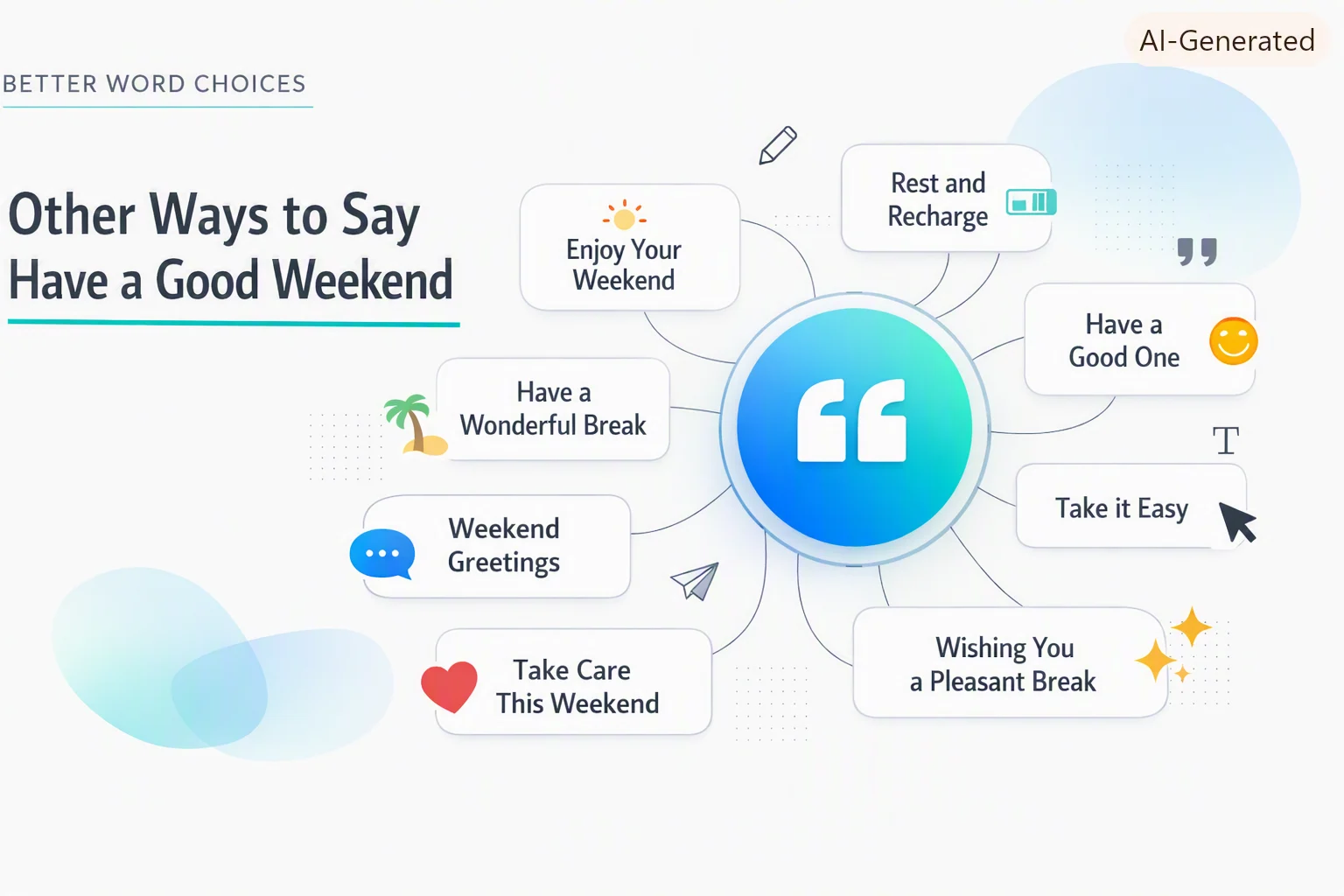
Other Ways to Say Have a Good Weekend
These alternatives will help you sound more fluent, confident, and natural in different situations.
Use them according to tone, context, and audience to express excitement, admiration, or approval before a break.
1. Have a Great Weekend
- Meaning: A warm, common wish for an enjoyable weekend.
- Explanation: Slightly more enthusiastic than “good.”
- Example Sentence: “See you Monday, have a great weekend!”
- Best Use: Coworkers, friends
- Worst Use: Very formal letters
- Tone: Warm, friendly, upbeat
- Context Variability: Casual, professional, spoken
2. Have a Wonderful Weekend
- Meaning: Expresses a strong hope for a joyful weekend.
- Explanation: More expressive and elegant than the original phrase.
- Example Sentence: “Thank you for your patience. Have a wonderful weekend.”
- Best Use: Formal emails
- Worst Use: Texting close friends
- Tone: Polished, warm, formal
- Context Variability: Professional, written
3. Enjoy Your Weekend
- Meaning: A direct wish for the person to have a pleasant break.
- Explanation: Short, natural, and widely used in speech.
- Example Sentence: “Alright, I’m heading out, enjoy your weekend!”
- Best Use: Everyday conversation
- Worst Use: Very formal reports
- Tone: Casual, friendly, easy
- Context Variability: Casual, spoken, professional
4. Have a Relaxing Weekend
- Meaning: Wishes someone rest and calmness.
- Explanation: Focuses on rest rather than fun.
- Example Sentence: “You’ve had a busy week, have a relaxing weekend.”
- Best Use: After stressful work
- Worst Use: Celebratory events
- Tone: Calm, caring, gentle
- Context Variability: Professional, casual
5. Hope You Have a Fantastic Weekend
- Meaning: Expresses genuine excitement for someone’s break.
- Explanation: Adds enthusiasm with the word “fantastic.”
- Example Sentence: “Great meeting today, hope you have a fantastic weekend!”
- Best Use: Friendly professional settings
- Worst Use: Serious formal writing
- Tone: Excited, warm, upbeat
- Context Variability: Casual, professional
6. Have an Amazing Weekend
- Meaning: A stronger, more energetic version of the original phrase.
- Explanation: Adds emphasis and positivity.
- Example Sentence: “You deserve it, have an amazing weekend!”
- Best Use: Close friends, casual coworkers
- Worst Use: Corporate formal emails
- Tone: Enthusiastic, bright, energetic
- Context Variability: Casual, spoken
7. Wishing You a Lovely Weekend
- Meaning: A gentle, polite wish for a pleasant weekend.
- Explanation: Sounds soft and considerate.
- Example Sentence: “Wishing you a lovely weekend and see you next week.”
- Best Use: Client emails
- Worst Use: Loud, casual chats
- Tone: Gentle, polite, warm
- Context Variability: Professional, written
8. Have a Nice Weekend
- Meaning: A simple, neutral wish for a good weekend.
- Explanation: Slightly plainer than “great” or “wonderful.”
- Example Sentence: “Thanks again, have a nice weekend.”
- Best Use: General everyday use
- Worst Use: Special celebrations
- Tone: Neutral, polite, simple
- Context Variability: Casual, professional
9. Take It Easy This Weekend
- Meaning: Encourages the person to relax and not overwork.
- Explanation: Focuses on stress relief and rest.
- Example Sentence: “You worked hard this week, take it easy this weekend.
- Best Use: After busy weeks
- Worst Use: Formal client emails
- Tone: Caring, relaxed, friendly
- Context Variability: Casual, spoken
10. Have a Restful Weekend
- Meaning: Wishes someone a peaceful, low-stress break.
- Explanation: Emphasizes recovery and rest.
- Example Sentence: “Have a restful weekend, you’ve earned it.”
- Best Use: Professional settings
- Worst Use: Party invitations
- Tone: Calm, thoughtful, formal
- Context Variability: Professional, written
11. Enjoy Your Days Off
- Meaning: A wish for someone to enjoy their non-working days.
- Explanation: Common when speaking to shift workers or staff.
- Example Sentence: “You’re off tomorrow, enjoy your days off!”
- Best Use: Workplace conversation
- Worst Use: Academic writing
- Tone: Friendly, casual, practical
- Context Variability: Casual, spoken
12. Have a Fun Weekend
- Meaning: Wishes someone an enjoyable, entertaining break.
- Explanation: Focuses on enjoyment rather than rest.
- Example Sentence: “Going anywhere special? Have a fun weekend!”
- Best Use: Friends, family
- Worst Use: Business emails
- Tone: Playful, light, casual
- Context Variability: Casual, spoken
13. Have a Good One
- Meaning: A short, casual way to wish someone well.
- Explanation: Very common in quick, informal exchanges.
- Example Sentence: “Alright, take care, have a good one!”
- Best Use: Quick goodbyes
- Worst Use: Formal writing
- Tone: Casual, brief, friendly
- Context Variability: Casual, spoken
14. Catch You After the Weekend
- Meaning: Informally says goodbye until the following week.
- Explanation: Implies you’ll talk or meet again soon.
- Example Sentence: “I’m off now, catch you after the weekend!”
- Best Use: Close coworkers
- Worst Use: Client communication
- Tone: Casual, easygoing, friendly
- Context Variability: Casual, spoken
15. Have a Good Rest of Your Week
- Meaning: Wishes someone well for the remaining days, weekend included.
- Explanation: Slightly broader than just the weekend.
- Example Sentence: “Great call today, have a good rest of your week.”
- Best Use: Business calls
- Worst Use: Weekend-specific events
- Tone: Professional, polite, neutral
- Context Variability: Professional, spoken
16. Enjoy the Break
- Meaning: A short wish for someone to enjoy their time off.
- Explanation: General term that fits weekends or holidays.
- Example Sentence: “It’s Friday, enjoy the break!”
- Best Use: Office settings
- Worst Use: Formal reports
- Tone: Simple, warm, casual
- Context Variability: Casual, professional
17. Have a Blast This Weekend
- Meaning: Wishes someone a highly enjoyable, exciting weekend.
- Explanation: Very energetic and youthful in tone.
- Example Sentence: “Big party tonight? Have a blast this weekend!”
- Best Use: Friends, social settings
- Worst Use: Workplace emails
- Tone: Excited, energetic, informal
- Context Variability: Casual, spoken
18. Rest Up and Recharge
- Meaning: Encourages someone to relax and regain energy.
- Explanation: Often used after busy or tiring periods.
- Example Sentence: “It’s been a long week, rest up and recharge.”
- Best Use: After stressful projects
- Worst Use: Formal business closings
- Tone: Caring, supportive, calm
- Context Variability: Casual, professional
19. Wishing You a Peaceful Weekend
- Meaning: A calm, respectful wish for a quiet break.
- Explanation: Suggests calmness rather than excitement.
- Example Sentence: “Wishing you a peaceful weekend after this busy quarter.”
- Best Use: Formal or emotional situations
- Worst Use: Party invitations
- Tone: Gentle, respectful, calm
- Context Variability: Professional, written
20. Have a Productive Weekend
- Meaning: Wishes someone success in completing tasks over the weekend.
- Explanation: Suitable when the person has weekend plans or work.
- Example Sentence: “Good luck with your project, have a productive weekend.”
- Best Use: Freelancers, students
- Worst Use: Pure leisure contexts
- Tone: Motivating, practical, professional
- Context Variability: Professional, casual
21. Enjoy Some Well-Deserved Rest
- Meaning: Acknowledges hard work and wishes relaxation.
- Explanation: Adds appreciation before the wish.
- Example Sentence: “You’ve done great this month, enjoy some well-deserved rest.”
- Best Use: Team emails, appreciation notes
- Worst Use: Casual texting
- Tone: Appreciative, formal, warm
- Context Variability: Professional, written
22. Have a Safe and Happy Weekend
- Meaning: Combines safety and happiness in one wish.
- Explanation: Common when travel or outdoor plans are involved.
- Example Sentence: “Drive carefully, have a safe and happy weekend!”
- Best Use: Travel-related goodbyes
- Worst Use: Indoor, low-risk contexts
- Tone: Caring, protective, warm
- Context Variability: Casual, spoken
23. Hope Your Weekend Is Full of Fun
- Meaning: Expresses excitement for the person’s plans.
- Explanation: Focuses entirely on enjoyment.
- Example Sentence: “Big plans this weekend? Hope your weekend is full of fun!”
- Best Use: Friends, social messages
- Worst Use: Corporate emails
- Tone: Cheerful, excited, casual
- Context Variability: Casual, spoken
24. Enjoy Your Time Off
- Meaning: A general wish for enjoyment during a break.
- Explanation: Works for weekends, holidays, or short leave.
- Example Sentence: “You’ve earned it, enjoy your time off.”
- Best Use: Workplace, HR communication
- Worst Use: Extremely casual chats
- Tone: Neutral, kind, professional
- Context Variability: Professional, casual
25. Have a Lovely Couple of Days
- Meaning: A gentle wish covering Saturday and Sunday.
- Explanation: Softer, more descriptive alternative.
- Example Sentence: “Have a lovely couple of days, see you Monday.”
- Best Use: Polite conversation
- Worst Use: Loud, energetic settings
- Tone: Soft, polite, warm
- Context Variability: Professional, spoken
26. Take Care and Enjoy Your Weekend
- Meaning: Combines a caring farewell with a weekend wish.
- Explanation: Adds warmth by wishing general wellbeing.
- Example Sentence: “It was great working with you, take care and enjoy your weekend.”
- Best Use: Ending long conversations
- Worst Use: Quick, brief goodbyes
- Tone: Caring, warm, sincere
- Context Variability: Professional, casual
27. Have a Chill Weekend
- Meaning: Wishes someone a relaxed, low-key weekend.
- Explanation: Very informal, popular among younger speakers.
- Example Sentence: “No big plans? Have a chill weekend!”
- Best Use: Friends, social media
- Worst Use: Business writing
- Tone: Relaxed, informal, trendy
- Context Variability: Casual, spoken
28. Wishing You Good Vibes This Weekend
- Meaning: Wishes someone positive energy and mood.
- Explanation: Modern, informal expression of positivity.
- Example Sentence: “Wishing you good vibes this weekend, enjoy!”
- Best Use: Social media, casual chats
- Worst Use: Formal business emails
- Tone: Trendy, upbeat, informal
- Context Variability: Casual, spoken
29. Have a Memorable Weekend
- Meaning: Wishes someone an experience worth remembering.
- Explanation: Slightly more poetic and expressive.
- Example Sentence: “Sounds like a fun trip, have a memorable weekend!”
- Best Use: Special occasions
- Worst Use: Routine daily goodbyes
- Tone: Expressive, warm, thoughtful
- Context Variability: Casual, professional
30. See You Monday, Enjoy Your Weekend
- Meaning: Combines a clear farewell with a weekend wish.
- Explanation: Common in office and school settings.
- Example Sentence: “Great work today, see you Monday, enjoy your weekend.”
- Best Use: Workplace closings
- Worst Use: Long-term farewells
- Tone: Practical, friendly, professional
- Context Variability: Professional, spoken
Mini Quiz / Self-Check
Here is the rewritten multiple-choice quiz along with the answer key:
📝 Practice Quiz
1. Which phrase is best for a formal business email?
- A) Have a chill weekend
- B) Wishing you a pleasant weekend
- C) Catch you after the weekend
- D) Have a blast this weekend
2. Which phrase focuses on rest rather than fun?
- A) Have a relaxing weekend
- B) Have a blast this weekend
- C) Enjoy the break
- D) Have a fun weekend
3. Which alternative fits a casual text to a friend?
- A) Enjoy some well-deserved rest
- B) Have a chill weekend
- C) Wishing you a peaceful weekend
- D) Have a productive weekend
4. Your manager sends a project update on Friday. Which reply is most professional?
- A) Have a good one
- B) Have a great weekend ahead
- C) Catch you Monday
- D) Have a blast this weekend
🔑 Answer Key
4. B Have a great weekend ahead
1. B Wishing you a pleasant weekend
2. A Have a relaxing weekend
3. B Have a chill weekend
Comparison Table: Top Alternatives
| Phrase | Tone | Best Use |
|---|---|---|
| Have a great weekend | Warm, upbeat | Coworkers, friends |
| Have a wonderful weekend | Polished, formal | Formal emails |
| Enjoy your weekend | Casual, friendly | Everyday conversation |
| Have a relaxing weekend | Calm, caring | After stressful work |
| Hope you have a fantastic weekend | Excited, warm | Friendly professional settings |
| Have a restful weekend | Calm, formal | Professional settings |
| Have a good one | Casual, brief | Quick goodbyes |
| Wishing you a peaceful weekend | Gentle, respectful | Formal or emotional situations |
| Have a productive weekend | Motivating, professional | Freelancers, students |
| Enjoy some well-deserved rest | Appreciative, formal | Team emails |
FAQs
Frequently Asked Questions (FAQ)
1. What is another polite way to say “have a good weekend”?
“Wishing you a pleasant weekend” is a polite, slightly formal alternative that works exceptionally well for professional emails and workplace conversations.
2. Is “have a good weekend” formal or informal?
It is neutral. While it’s polite enough for almost any standard situation, it can feel a bit plain or repetitive in high-level or very formal business writing.
3. What can I say instead of “have a good weekend” to a client?
To maintain a professional yet warm tone, try using:
- “Wishing you a lovely weekend”
- “Have a great weekend ahead”
4. How do I express excitement in English before a weekend?
If you want to sound enthusiastic and upbeat, use energetic phrases like:
- “Have a blast this weekend!”
- “Hope your weekend is full of fun!”
5. What are informal expressions in English for weekend goodbyes?
For casual chats with friends or close coworkers, popular options include:
- “Catch you after the weekend!”
- “Have a good one!”
- “Have a chill weekend!”
Conclusion
Learning other ways to say have a good weekend helps you sound more natural, confident, and fluent in everyday English. Instead of repeating the same sentence, you can now match your tone to the situation, whether you’re writing a formal email, chatting with a friend, or closing a professional call.
Practice using a few of these alternatives every day, especially on Fridays, and pay close attention to tone. Small changes in word choice make a big difference in how professional and polished your English sounds.
Read More Related Articles:
- Other Ways to Say Circle Back | Improve Your Workplace Communication In 2026
- Other Ways to Say Welcome to the Team | Warm First Impression In 2026
- Other Ways to Say I Hope All Is Well | Make a Better First Impression In 2026

Daniel Murphy is a professional writer and blogger specializing in digital communication and messaging trends. As a contributor to TextsResponse.com, he creates reader-focused content designed to help people find the right words at the right time.