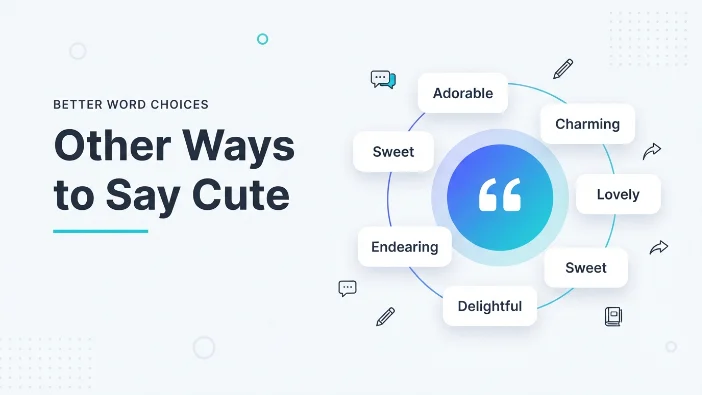
Quick Answer: Looking for alternatives to cute? Try these: adorable, charming, endearing, appealing, and captivating. Each offers a distinct nuance, from heart-melting warmth to magnetic attraction, helping you express admiration with greater precision.
The word cute is one of the most commonly used adjectives in English. It rolls off the tongue easily when describing a puppy, a baby, or even a new outfit. But relying on this single word limits your ability to express the full spectrum of admiration, affection, and approval. Whether you are writing a professional email, giving a presentation, or having a casual conversation, knowing other ways to say cute will elevate your communication skills significantly.
Learning alternatives to cute is not just about building vocabulary it is about developing linguistic awareness. Different situations demand different tones. A word that works perfectly in a text message might fall flat in a business meeting. By expanding your repertoire, you gain the confidence to express excitement in English in a way that feels natural, appropriate, and impactful.
Quick Categories
Formal Alternatives to “Cute”
- Comely – pleasant in appearance
- Pulchritudinous – physically beautiful
- Elegant – graceful and stylish
- Exquisite – extremely beautiful and delicate
Casual Alternatives
- Adorable – very lovable
- Sweet – pleasing and kind
- Lovely – delightful and beautiful
- Darling – dearly loved
Professional Alternatives
- Appealing – pleasantly attractive
- Engaging – charming and interesting
- Captivating – holding attention completely
- Winsome – charming in a childlike way
Informal Expressions
- Cute as a button – very sweet and attractive
- Adorbs – adorable (slang)
- Doll-like – pretty in a delicate way
- Heart-melting – so sweet it softens hearts
💡 Pro Tip: Match your word choice to your audience. Formal settings demand refined vocabulary, while casual conversations welcome playful expressions. When in doubt, opt for charming or appealing they strike a balance between professionalism and warmth.
Common Mistakes People Make Using “Cute”
- Overusing it in professional writing.
Mistake: “The proposal presents a cute solution.”
Better: “The proposal presents an appealing solution.” - Using it to describe adults in formal contexts.
Mistake: “Our new CEO is very cute.”
Better: “Our new CEO is very charismatic.” - Confusing cute with pretty.
Mistake: “That mountain view is so cute.”
Better: “That mountain view is so beautiful.” - Using cute for serious or grand subjects.
Mistake: “The cathedral is cute.”
Better: “The cathedral is magnificent.” - Relying on cute for romantic compliments.
Mistake: “You look cute tonight.”
Better: “You look stunning tonight.”
What Does “Cute” Mean?
Cute is an adjective that describes someone or something as attractive, especially in a dainty, endearing, or charming way. It often carries a sense of playfulness, innocence, or smallness. While it is widely used and easily understood, its meaning can vary depending on context and tone.
Example Sentence: The puppy curled up on the sofa looked so cute that everyone wanted to hold it.
When to Use “Cute”
- Casual conversations with friends and family
- Social media captions for photos of pets, children, or outfits
- Informal compliments about someone’s appearance or behavior
- Describing small, charming objects like decorations or gifts
- Spoken English – more common in speech than in formal writing
Is It Professional or Polite to Say “Cute”?
Polite? ✔️ Yes – it is generally considered a friendly and pleasant compliment.
Professional? ❌ No – in most business or formal contexts, cute is too informal and can even sound dismissive or patronizing.
Business-style example: Instead of saying “Your presentation was cute,” say “Your presentation was engaging and well-structured.”
Pros and Cons of Using “Cute”
Pros
- Simple and natural for everyday speech
- Friendly and approachable tone
- Commonly understood by all English speakers
- Easy to use in a variety of casual contexts
Cons
- Too informal for professional or academic writing
- Overused, which can make your language sound repetitive
- Limited emotional range – does not convey depth or sophistication
- Not suitable for describing serious, grand, or formal subjects
Other Ways to Say Cute
These 30 alternatives will help you sound more fluent, confident, and natural in different situations. Use them according to tone, context, and audience to express excitement, admiration, or approval with precision.
1. Adorable
Meaning: Extremely lovable and charming.
Explanation: This is one of the most direct and powerful alternatives to cute.
Example Sentence: “Your new puppy is absolutely adorable – I could watch him all day.”
Best Use: Pets, babies
Worst Use: Professional settings
Tone: Warm, affectionate
Context Variability: Casual / Spoken
2. Charming
Meaning: Delightfully pleasing and attractive.
Explanation: Conveys a sense of grace and likability, often used for people and places.
Example Sentence: “We had dinner at a charming little restaurant by the river.”
Best Use: Places, people
Worst Use: Objects
Tone: Elegant, warm
Context Variability: Casual / Professional / Spoken
3. Endearing
Meaning: Inspiring affection and warmth.
Explanation: Highlights qualities that make someone or something easy to love.
Example Sentence: “His endearing smile made everyone in the room feel at ease.”
Best Use: Personal qualities
Worst Use: Fashion
Tone: Heartfelt, sincere
Context Variability: Casual / Professional / Written
4. Appealing
Meaning: Pleasantly attractive and inviting.
Explanation: A versatile and professional alternative suitable for many contexts.
Example Sentence: “The design of the new website is highly appealing to users.”
Best Use: Products, ideas
Worst Use: Romantic compliments
Tone: Neutral, polished
Context Variability: Professional / Written
5. Captivating
Meaning: Holding attention completely; fascinating.
Explanation: Suggests a magnetic quality that draws people in.
Example Sentence: “Her captivating performance left the audience speechless.”
Best Use: Performances, stories
Worst Use: Everyday objects
Tone: Intense, admiring
Context Variability: Professional / Written
6. Lovely
Meaning: Beautiful and delightful.
Explanation: A warm and widely used alternative that fits both casual and formal contexts.
Example Sentence: “We had a lovely evening walking along the beach.”
Best Use: Experiences, people
Worst Use: Technical descriptions
Tone: Gentle, appreciative
Context Variability: Casual / Professional / Spoken
7. Sweet
Meaning: Pleasing and kind in a gentle way.
Explanation: Often used to describe personality or small, thoughtful gestures.
Example Sentence: “That was such a sweet thing to say – thank you.”
Best Use: Gestures, personalities
Worst Use: Formal writing
Tone: Kind, affectionate
Context Variability: Casual / Spoken
8. Darling
Meaning: Dearly loved and very attractive.
Explanation: Carries a sense of endearment and closeness.
Example Sentence: “What a darling little dress – where did you find it?”
Best Use: Children, pets
Worst Use: Business communication
Tone: Affectionate, playful
Context Variability: Casual / Spoken
9. Engaging
Meaning: Charming and interesting in a way that holds attention.
Explanation: Ideal for professional contexts where you want to praise someone’s presence or work.
Example Sentence: “The speaker was so engaging that nobody checked their phone.”
Best Use: Presentations, people
Worst Use: Objects
Tone: Professional, respectful
Context Variability: Professional / Written
10. Winsome
Meaning: Charming in a childlike or innocent way.
Explanation: A more literary word that conveys sweetness and appeal.
Example Sentence: “She had a winsome smile that brightened the room.”
Best Use: Personal descriptions
Worst Use: Business reports
Tone: Literary, gentle
Context Variability: Formal / Written
11. Comely
Meaning: Pleasant in appearance; attractive.
Explanation: A formal, somewhat old-fashioned word that works well in descriptive writing.
Example Sentence: “The comely village was nestled in a green valley.”
Best Use: Descriptive writing
Worst Use: Casual conversation
Tone: Formal, refined
Context Variability: Formal / Written
12. Bewitching
Meaning: Enchantingly attractive; almost magical.
Explanation: Suggests an irresistible, spellbinding quality.
Example Sentence: “The actress had a bewitching presence on stage.”
Best Use: Performances, art
Worst Use: Everyday situations
Tone: Dramatic, admiring
Context Variability: Formal / Written
13. Enchanting
Meaning: Delightfully charming in a magical way.
Explanation: Evokes a sense of wonder and beauty.
Example Sentence: “The garden was enchanting, with flowers of every colour.”
Best Use: Places, experiences
Worst Use: Technical contexts
Tone: Dreamy, appreciative
Context Variability: Casual / Formal / Written
14. Alluring
Meaning: Attractively appealing in a tempting way.
Explanation: Often carries a sense of mystery or sophistication.
Example Sentence: “The alluring aroma of fresh coffee drew me into the café.”
Best Use: Scents, fashion
Worst Use: Professional settings
Tone: Sophisticated, suggestive
Context Variability: Casual / Written
15. Delightful
Meaning: Very pleasing and enjoyable.
Explanation: A warm and positive word that fits many contexts.
Example Sentence: “We had a delightful conversation over lunch.”
Best Use: Experiences, people
Worst Use: Technical descriptions
Tone: Cheerful, warm
Context Variability: Casual / Professional / Spoken
16. Cherubic
Meaning: Innocently sweet and angelic.
Explanation: Perfect for describing babies or young children with a pure, gentle appearance.
Example Sentence: “The baby had a cherubic face with rosy cheeks.”
Best Use: Babies, children
Worst Use: Adults, objects
Tone: Gentle, poetic
Context Variability: Casual / Written
17. Dainty
Meaning: Delicately small and pretty.
Explanation: Often used for objects or features that are small, fine, and elegant.
Example Sentence: “She wore a dainty gold necklace that complemented her outfit.”
Best Use: Jewellery, features
Worst Use: People, as it can sound condescending
Tone: Delicate, refined
Context Variability: Casual / Written
18. Cuddly
Meaning: Soft and inviting to hug.
Explanation: A warm, informal word often used for pets and soft toys.
Example Sentence: “My cat is so cuddly – she loves to snuggle on my lap.”
Best Use: Pets, toys
Worst Use: Professional contexts
Tone: Playful, affectionate
Context Variability: Casual / Spoken
19. Fetching
Meaning: Attractive in a noticeable way.
Explanation: Suggests a striking, eye-catching quality.
Example Sentence: “That is a fetching hat – it really suits you.”
Best Use: Fashion, accessories
Worst Use: Formal writing
Tone: Playful, complimentary
Context Variability: Casual / Spoken
20. Irresistible
Meaning: Too attractive to resist.
Explanation: Conveys a powerful, almost overwhelming appeal.
Example Sentence: “The chocolate cake looked absolutely irresistible.”
Best Use: Food, offers
Worst Use: Professional settings
Tone: Intense, tempting
Context Variability: Casual / Spoken
21. Prepossessing
Meaning: Attractive in appearance; creating a favourable impression.
Explanation: A formal word that suggests a positive first impression.
Example Sentence: “The candidate had a prepossessing manner that impressed the interview panel.”
Best Use: Professional contexts
Worst Use: Casual conversation
Tone: Formal, polished
Context Variability: Professional / Written
22. Delectable
Meaning: Deliciously attractive; delightful.
Explanation: Often used for food, but can describe people or things in a playful way.
Example Sentence: “The desserts looked delectable, and we ordered three.”
Best Use: Food
Worst Use: Professional contexts
Tone: Playful, indulgent
Context Variability: Casual / Spoken
23. Angelic
Meaning: Beautiful and pure like an angel.
Explanation: Suggests innocence and a gentle, radiant beauty.
Example Sentence: “The children sang with angelic voices.”
Best Use: Children, voices
Worst Use: Business contexts
Tone: Poetic, tender
Context Variability: Casual / Written
24. Winning
Meaning: Charming and engaging; likely to gain approval.
Explanation: Often describes a smile, personality, or manner that wins people over.
Example Sentence: “His winning smile made him instantly likeable.”
Best Use: Personal qualities
Worst Use: Objects
Tone: Warm, confident
Context Variability: Casual / Professional / Spoken
25. Exquisite
Meaning: Extremely beautiful and delicate.
Explanation: Suggests a high level of craftsmanship or rare beauty.
Example Sentence: “The hand-painted vase was truly exquisite.”
Best Use: Art, craftsmanship
Worst Use: Casual conversation
Tone: Formal, admiring
Context Variability: Formal / Written
26. Heart-melting
Meaning: So sweet or moving that it softens the heart.
Explanation: A vivid, emotional alternative for moments of deep affection.
Example Sentence: “The video of the rescue puppy was heart-melting.”
Best Use: Emotional moments
Worst Use: Professional contexts
Tone: Emotional, tender
Context Variability: Casual / Spoken
27. Cute as a Button
Meaning: Very sweet and attractive in a small, charming way.
Explanation: A playful idiom often used for children and small animals.
Example Sentence: “My niece is cute as a button in her new dress.”
Best Use: Children, pets
Worst Use: Formal writing
Tone: Playful, affectionate
Context Variability: Casual / Spoken
28. Adorbs
Meaning: Adorable; slang.
Explanation: A trendy, informal abbreviation used in social media and casual speech.
Example Sentence: “That outfit is totally adorbs – where did you get it?”
Best Use: Social media
Worst Use: Any formal context
Tone: Trendy, casual
Context Variability: Casual / Spoken
29. Angel-Faced
Meaning: Sweet-looking and innocent.
Explanation: A descriptive phrase that emphasizes purity and gentle beauty.
Example Sentence: “The angel-faced child gazed up at her mother.”
Best Use: Children
Worst Use: Professional contexts
Tone: Poetic, tender
Context Variability: Casual / Written
30. Dreamy
Meaning: Softly attractive in a way that seems almost unreal.
Explanation: Conveys a romantic, hazy, or idealised beauty.
Example Sentence: “He had dreamy eyes that made her forget what she was saying.”
Best Use: Romantic contexts
Worst Use: Professional settings
Tone: Romantic, whimsical
Context Variability: Casual / Spoken
“The right tone makes your English sound professional and confident.”
Mini Quiz / Self-Check
1. Which alternative would you use to compliment a colleague’s presentation?
A) Adorable
B) Engaging
C) Cute as a button
Answer: B – Engaging is professional and appropriate.
2. You are describing a new café to a friend. Which word fits best?
A) Pulchritudinous
B) Charming
C) Adorbs
Answer: B – Charming perfectly captures the atmosphere of a cosy café.
3. Which word is too informal for a business email?
A) Appealing
B) Captivating
C) Sweet
Answer: C – Sweet is too casual for professional correspondence.
4. You want to describe a baby’s innocent face. Which is most suitable?
A) Cherubic
B) Alluring
C) Fetching
Answer: A – Cherubic conveys innocence and sweetness.
Comparison Table: Top 10 Alternatives
| Phrase | Tone | Best Use |
|---|---|---|
| Adorable | Warm, affectionate | Pets, babies |
| Charming | Elegant, warm | Places, people |
| Endearing | Heartfelt, sincere | Personal qualities |
| Appealing | Neutral, polished | Products, ideas |
| Captivating | Intense, admiring | Performances, stories |
| Lovely | Gentle, appreciative | Experiences, people |
| Engaging | Professional, respectful | Presentations, people |
| Winsome | Literary, gentle | Personal descriptions |
| Comely | Formal, refined | Descriptive writing |
| Enchanting | Dreamy, appreciative | Places, experiences |
“Expanding your vocabulary is not about sounding smarter – it is about communicating more clearly.”
FAQs
1. What is a more professional way to say cute?
Use appealing, engaging, or captivating in professional settings. These words convey admiration without sounding informal or childish.
2. Can I say “cute” in a job interview?
It is best to avoid cute in job interviews. Instead, describe qualities using words like impressive, engaging, or polished to maintain a professional tone.
3. What is a stronger word than cute?
Captivating, bewitching, and irresistible are stronger alternatives that convey a more intense level of attraction or admiration.
4. Is “adorable” more formal than “cute”?
No, adorable is also informal. For formal contexts, choose appealing, charming, or engaging.
5. How can I compliment someone without saying cute?
Focus on specific qualities. Say “You have a warm smile,” “Your presentation was engaging,” or “That was a thoughtful gesture.” These alternatives to cute feel more personal and sincere.
“Precision in language is a sign of respect for your listener.”
Conclusion
Learning other ways to say cute is a simple yet powerful step toward more fluent, confident English. Each alternative offers a unique shade of meaning, allowing you to match your tone to your audience and context. Whether you are writing a professional email, giving a speech, or chatting with friends, choosing the right word makes your communication more effective and memorable.
Make it a daily habit to replace cute with one of these 30 alternatives. Pay attention to tone, and soon you will find yourself expressing excitement in English with greater ease and precision. The more you practice, the more natural it becomes – and the more confident you will feel in every conversation.
Read More Related Articles:
- Other Ways to Say “The Author Says” | Like a Skilled Academic Writer In 2026
- Other Ways to Say “In Summary” | Clearer and Stronger Conclusions In 2026
- Other Ways to Say “Similarly” | Smart Synonyms You’ll Use Every Day In 2026

Victoria Hughes is a content writer dedicated to making communication clearer and more effective. Through TextsResponse.com, she shares practical insights and thoughtfully crafted response ideas that help readers express themselves with confidence.