Quick Answer 🔥
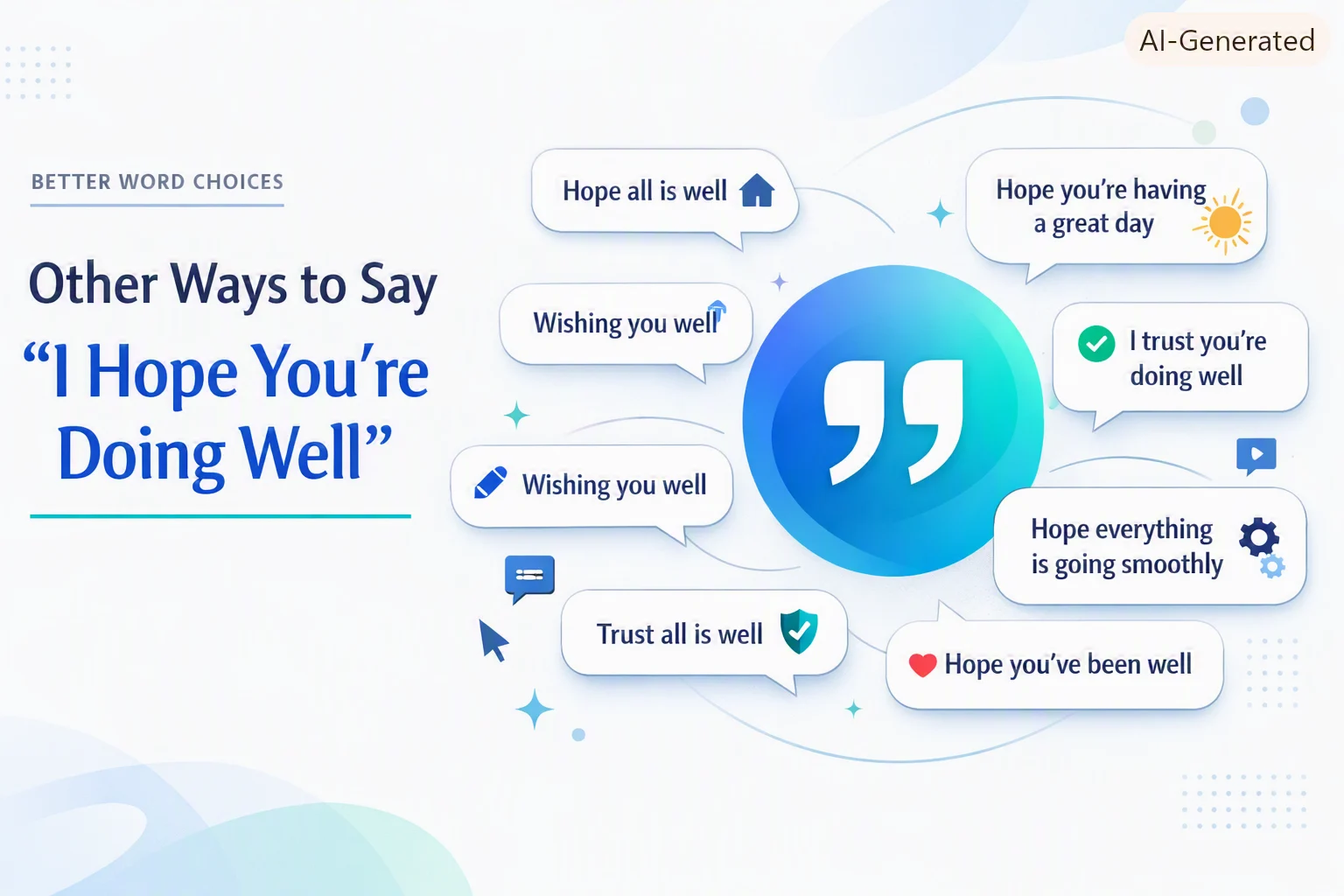
I trust this message finds you well · I hope everything is going smoothly · Wishing you a productive week · I trust all is well with you · How have you been keeping?
“I hope you’re doing well” is one of the most common opening phrases in English correspondence. It appears in countless emails, messages, and letters every day a polite, friendly way to acknowledge someone before diving into the main point of your communication.
Yet precisely because it is so widely used, the phrase can feel overused, impersonal, or even insincere. Learning alternatives to “I hope you’re doing well” allows you to match your greeting to the specific relationship, context, and tone you need whether you are writing a formal business proposal, a casual check-in with a colleague, or a thoughtful personal message. Expanding your repertoire of professional reaction phrases and informal expressions in English is one of the fastest ways to sound more fluent, confident, and culturally aware.
Quick Categories
Formal alternatives to “I hope you’re doing well”
- I trust this message finds you well
- I hope this email finds you in good spirits
- I trust all is well with you
- I hope you are in good health
Casual alternatives
- Hope you’re doing great
- How’s everything going?
- Hope all is well on your end
- How are you holding up?
Professional alternatives
- I hope you’re having a productive week
- I trust things are going smoothly for you
- Wishing you a successful quarter
- I hope your projects are progressing well
Informal expressions
- What’s new with you?
- How’s life treating you?
- Hope you’re keeping well
- Just checking in how are things?
💡 Pro Tip: Match your greeting to your relationship with the recipient. Formal phrases build respect with new contacts; casual phrases strengthen existing relationships. When in doubt, lean slightly more formal you can always loosen your tone later.
Common Mistakes
1. Using “I hope you’re doing well” in every single email
This makes your communication feel robotic and impersonal. Vary your openings to show genuine engagement.
2. Forgetting the subject “I” in formal writing
❌ Hope you’re doing well. (acceptable informally but lacks a subject)
✅ I hope you are doing well.
3. Using contractions in very formal correspondence
❌ I hope you’re doing well. (in a formal legal document)
✅ I hope you are doing well.
4. Asking “How are you?” without expecting or wanting an answer
This can feel insincere. If you ask, be prepared to acknowledge the response.
5. Using a generic opening when you know the recipient is facing challenges
❌ I hope you’re doing well. (when you know they are ill or struggling)
✅ I hope you’re feeling better or I hope things are improving for you.
What Does “I Hope You’re Doing Well” Mean?
“I hope you’re doing well” is a polite expression used to show care and concern for someone’s health, happiness, or general state of being. It functions as a warm opening before the main content of a message.
Grammar note: “You’re” is the contraction of “you are.” In formal writing, use the full form “you are”.
Example: I hope you’re doing well. I’m writing to follow up on our previous conversation.
When to Use “I Hope You’re Doing Well”
- Opening professional emails
- Starting casual messages to friends and family
- Beginning letters or formal correspondence
- Checking in with colleagues or clients
- As a polite lead-in before delivering news or making a request
Spoken vs Written: More common in written communication (emails, letters) than in spoken English, though it can be used in both.
Formal vs Informal: Works in both contexts but feels more natural in semi-formal to informal settings. In very formal writing, more traditional alternatives are often preferred.
Is It Professional or Polite to Say “I Hope You’re Doing Well”?
Polite? ✔️ Yes it shows consideration and warmth.
Professional? ❌ Not always while acceptable in many workplaces, it can feel overused and generic in high-stakes professional communication.
Business example: I hope you are doing well. I am reaching out to discuss the quarterly report. (polite but unremarkable)
Pros and Cons of Using “I Hope You’re Doing Well”
Pros
- Simple and natural easy for English learners to use confidently
- Friendly tone conveys warmth and approachability
- Common usage universally understood in all English-speaking contexts
- Easy to understand no risk of miscommunication
Cons
- Too informal for some high-level professional correspondence
- Overused can feel like a filler phrase rather than genuine care
- Limited emotional range doesn’t convey deep concern or enthusiasm
- Not suitable for formal writing such as legal documents or official letters
“The right tone makes your English sound professional and confident but the wrong opening can make you sound like everyone else.”
Other Ways to Say “I Hope You’re Doing Well”
These 30 alternatives will help you sound more fluent, confident, and natural in different situations. Use them according to tone, context, and audience to express care, professionalism, or warmth.
1. Phrase: I trust this message finds you well
Meaning: A formal expression of confidence in the recipient’s well-being.
Explanation: Using “trust” instead of “hope” conveys greater certainty and respect.
Example Sentence: Dear Ms. Chen, I trust this message finds you well. I am writing to discuss our upcoming partnership.
Best Use: Formal emails
Worst Use: Texting friends
Tone: Professional, respectful
Context Variability: Professional / formal correspondence
2. Phrase: I hope everything is going smoothly for you
Meaning: A wish that the recipient’s affairs are proceeding without problems.
Explanation: Shows awareness that the person may be handling multiple responsibilities.
Example Sentence: I hope everything is going smoothly for you as we approach the end of the quarter.
Best Use: Work emails
Worst Use: Casual social messages
Tone: Thoughtful, professional
Context Variability: Professional / semi-formal
3. Phrase: I hope you’re having a productive week
Meaning: A wish for the recipient’s week to be efficient and successful.
Explanation: More specific than the generic “doing well” shows you value their time.
Example Sentence: I hope you’re having a productive week. I wanted to touch base about the project timeline.
Best Use: Workplace communication
Worst Use: Personal messages
Tone: Professional, focused
Context Variability: Professional / business
4. Phrase: I trust all is well with you
Meaning: A formal way to express confidence that everything is fine.
Explanation: A polished alternative that works well in professional correspondence.
Example Sentence: I trust all is well with you and your team. I look forward to our meeting next week.
Best Use: Business emails
Worst Use: Casual texts
Tone: Formal, courteous
Context Variability: Professional / formal
5. Phrase: Hope you’re doing great
Meaning: A cheerful, informal check-in.
Explanation: Short, friendly, and energetic drops the “I” for a more casual feel.
Example Sentence: Hope you’re doing great! Just wanted to see how things are going.
Best Use: Friends and close colleagues
Worst Use: Formal business letters
Tone: Casual, warm
Context Variability: Informal / casual
6. Phrase: How are you holding up?
Meaning: A caring question often used when someone is going through a difficult period.
Explanation: Shows empathy and genuine concern for the person’s situation.
Example Sentence: How are you holding up with the new deadline? Let me know if you need support.
Best Use: Supporting colleagues
Worst Use: Light, cheerful contexts
Tone: Empathetic, caring
Context Variability: Informal / supportive
7. Phrase: I hope this email finds you in good spirits
Meaning: A wish that the recipient is feeling positive and cheerful.
Explanation: A more formal and traditional alternative with a warm touch.
Example Sentence: I hope this email finds you in good spirits. I’m reaching out to share some exciting news.
Best Use: Professional correspondence
Worst Use: Quick text messages
Tone: Formal, warm
Context Variability: Professional / formal
8. Phrase: I hope you’re having a great day
Meaning: A friendly wish focused on the recipient’s current day.
Explanation: More immediate and energetic than the generic “doing well”.
Example Sentence: I hope you’re having a great day! I wanted to follow up on our earlier conversation.
Best Use: Daytime emails
Worst Use: Late-night messages
Tone: Friendly, positive
Context Variability: Semi-formal / casual
9. Phrase: I trust you’re keeping well
Meaning: A formal expression of confidence in the recipient’s ongoing health.
Explanation: Suggests ongoing care rather than a one-time check-in.
Example Sentence: I trust you’re keeping well. It has been some time since we last spoke.
Best Use: Professional follow-ups
Worst Use: Social media DMs
Tone: Formal, courteous
Context Variability: Professional / formal
10. Phrase: How’s everything going?
Meaning: A casual, open-ended question about the recipient’s general situation.
Explanation: Invites a response and shows genuine interest.
Example Sentence: How’s everything going? I’d love to catch up when you have a moment.
Best Use: Friendly check-ins
Worst Use: Formal business proposals
Tone: Casual, conversational
Context Variability: Informal / semi-formal
11. Phrase: I hope you’re in good health
Meaning: A wish focused specifically on the recipient’s physical well-being.
Explanation: More personal and caring than generic alternatives.
Example Sentence: I hope you’re in good health. I’m writing to share some updates about our project.
Best Use: Personal or health-related contexts
Worst Use: Quick work emails
Tone: Caring, formal
Context Variability: Formal / personal
12. Phrase: Hope all is well on your end
Meaning: A casual way to check in on someone’s situation.
Explanation: Adds a personal touch by acknowledging the recipient’s side of things.
Example Sentence: Hope all is well on your end. Let me know when you’re available to chat.
Best Use: Casual work emails
Worst Use: Formal client communications
Tone: Friendly, casual
Context Variability: Informal / semi-formal
13. Phrase: I hope life is treating you kindly
Meaning: A warm, slightly poetic wish for the recipient’s overall well-being.
Explanation: Adds a thoughtful, personal touch to your greeting.
Example Sentence: I hope life is treating you kindly. I was thinking of you and wanted to reach out.
Best Use: Personal messages
Worst Use: Professional emails
Tone: Warm, poetic
Context Variability: Informal / personal
14. Phrase: I trust you’re having a good week
Meaning: A formal wish focused on the current week.
Explanation: More specific and professional than the generic alternative.
Example Sentence: I trust you’re having a good week. I’m following up on our previous discussion.
Best Use: Professional emails
Worst Use: Text messages
Tone: Professional, courteous
Context Variability: Professional / formal
15. Phrase: What’s new with you?
Meaning: An informal invitation to share updates.
Explanation: Encourages conversation and shows interest in the person’s life.
Example Sentence: What’s new with you? It feels like ages since we last caught up.
Best Use: Friends and close colleagues
Worst Use: Formal correspondence
Tone: Casual, friendly
Context Variability: Informal
16. Phrase: I hope you’re having a wonderful day
Meaning: A warm, positive wish for the recipient’s day.
Explanation: More enthusiastic than the standard “great day”.
Example Sentence: I hope you’re having a wonderful day. I’m reaching out with an exciting opportunity.
Best Use: Warm professional messages
Worst Use: Very formal documents
Tone: Warm, positive
Context Variability: Semi-formal / casual
17. Phrase: I trust everything is going smoothly
Meaning: A formal wish that all matters are proceeding without issues.
Explanation: Shows awareness of the recipient’s responsibilities.
Example Sentence: I trust everything is going smoothly with the new system implementation.
Best Use: Project-related emails
Worst Use: Personal messages
Tone: Professional, assured
Context Variability: Professional
18. Phrase: Hope you’re having a fantastic day
Meaning: An enthusiastic, cheerful greeting.
Explanation: Injects high energy and positivity into your opening.
Example Sentence: Hope you’re having a fantastic day! I wanted to share some great news with you.
Best Use: Cheerful contexts
Worst Use: Serious or formal situations
Tone: Enthusiastic, energetic
Context Variability: Informal / semi-formal
19. Phrase: How’s life treating you?
Meaning: A casual, friendly question about the recipient’s overall situation.
Explanation: Warm and conversational great for reconnecting with people.
Example Sentence: How’s life treating you? I’ve been meaning to reach out for weeks.
Best Use: Personal reconnections
Worst Use: Professional emails
Tone: Casual, warm
Context Variability: Informal
20. Phrase: I hope things are going well for you
Meaning: A thoughtful wish for the recipient’s general situation.
Explanation: A safe, polite alternative that works in many contexts.
Example Sentence: I hope things are going well for you. I’m writing to check in on the project.
Best Use: Versatile use
Worst Use: When you need a more specific greeting
Tone: Polite, neutral
Context Variability: Semi-formal / professional
21. Phrase: I hope you’re doing okay
Meaning: A caring check-in, often used when someone may be struggling.
Explanation: Shows empathy and concern without being intrusive.
Example Sentence: I hope you’re doing okay. I heard about the challenges your team is facing.
Best Use: Supportive contexts
Worst Use: Cheerful or celebratory messages
Tone: Empathetic, caring
Context Variability: Informal / supportive
22. Phrase: Wishing you a fantastic day ahead
Meaning: A warm wish for the recipient’s future day.
Explanation: Looks forward rather than just checking in on the present.
Example Sentence: Wishing you a fantastic day ahead. I look forward to speaking with you later.
Best Use: Morning emails
Worst Use: Late-day messages
Tone: Warm, positive
Context Variability: Semi-formal / casual
23. Phrase: I trust you’re doing fine
Meaning: A formal, understated expression of confidence in the recipient’s well-being.
Explanation: More reserved than “great” but still professional.
Example Sentence: I trust you’re doing fine. I’m reaching out to discuss the upcoming review.
Best Use: Professional contexts
Worst Use: Personal, warm messages
Tone: Formal, restrained
Context Variability: Professional / formal
24. Phrase: Hope you’re keeping well
Meaning: A casual wish for ongoing good health.
Explanation: Common in British English friendly and natural.
Example Sentence: Hope you’re keeping well. Just wanted to say hello and see how things are.
Best Use: Casual check-ins
Worst Use: Formal business letters
Tone: Friendly, casual
Context Variability: Informal
25. Phrase: I hope you’re having a positive day
Meaning: A wish focused on the recipient’s emotional state.
Explanation: Emphasizes positivity and mental well-being.
Example Sentence: I hope you’re having a positive day. I’m writing with some encouraging updates.
Best Use: Supportive messages
Worst Use: Formal correspondence
Tone: Warm, encouraging
Context Variability: Semi-formal / casual
26. Phrase: I trust you’re staying safe
Meaning: A wish for the recipient’s safety, especially in uncertain times.
Explanation: Shows care and awareness of external circumstances.
Example Sentence: I trust you’re staying safe. I wanted to check in and see how you’re doing.
Best Use: Health or safety contexts
Worst Use: Normal, everyday messages
Tone: Caring, protective
Context Variability: Semi-formal / personal
27. Phrase: How are you doing today?
Meaning: A direct, simple question about the recipient’s current state.
Explanation: More immediate and engaging than the generic alternative.
Example Sentence: How are you doing today? I’d like to briefly discuss the proposal.
Best Use: Daily check-ins
Worst Use: Very formal documents
Tone: Friendly, direct
Context Variability: Semi-formal / casual
28. Phrase: I hope everything is working out for you
Meaning: A wish for the recipient’s efforts to be successful.
Explanation: Shows you care about outcomes, not just general well-being.
Example Sentence: I hope everything is working out for you with the new role. I’d love to hear how it’s going.
Best Use: Career or project contexts
Worst Use: Simple social messages
Tone: Supportive, thoughtful
Context Variability: Semi-formal / personal
29. Phrase: Sending positive thoughts your way
Meaning: A warm, supportive expression of goodwill.
Explanation: Empathetic and caring often used in challenging times.
Example Sentence: Sending positive thoughts your way during this busy season. Let me know if I can help.
Best Use: Supportive messages
Worst Use: Professional emails
Tone: Warm, caring
Context Variability: Informal / personal
30. Phrase: I hope you’re in high spirits
Meaning: A wish that the recipient is feeling cheerful and positive.
Explanation: More vivid and expressive than the standard greeting.
Example Sentence: I hope you’re in high spirits. I’m reaching out with some exciting opportunities.
Best Use: Positive, encouraging messages
Worst Use: Serious or somber contexts
Tone: Cheerful, warm
Context Variability: Semi-formal / casual
💡 Pro Tip: The best alternative is the one that fits your specific situation. A formal client gets “I trust this message finds you well.” A close colleague gets “How’s everything going?” Choose based on relationship, not habit.
Mini Quiz / Self-Check
1. Which alternative is most appropriate for a formal email to a new client?
- A) “Hope you’re doing great!”
- B) “I trust this message finds you well.”
- C) “What’s new with you?”
- D) “How’s life treating you?”
Answer: B “I trust this message finds you well” is formal and respectful.
2. You know a colleague has been dealing with a difficult project. Which greeting shows the most empathy?
- A) “Hope you’re having a great day.”
- B) “I hope everything is going smoothly for you.”
- C) “How are you holding up?”
- D) “Wishing you a fantastic day ahead.”
Answer: C “How are you holding up?” directly acknowledges potential challenges.
3. Which phrase is too informal for a business proposal?
- A) “I trust all is well with you.”
- B) “I hope you’re having a productive week.”
- C) “How’s everything going?”
- D) “I hope this email finds you in good spirits.”
Answer: C “How’s everything going?” is too casual for formal business documents.
4. You’re writing a quick message to a close friend. Which is the best choice?
- A) “I trust you’re doing well.”
- B) “I hope this email finds you in good health.”
- C) “What’s new with you?”
- D) “I hope you’re having a productive week.”
Answer: C “What’s new with you?” is casual and friendly, perfect for friends.
Comparison Table: Top 10 Alternatives
| Phrase | Tone | Best Use |
|---|---|---|
| I trust this message finds you well | Formal, respectful | New clients, formal emails |
| I hope everything is going smoothly | Thoughtful, professional | Project updates |
| I hope you’re having a productive week | Professional, focused | Workplace communication |
| I trust all is well with you | Formal, courteous | Business correspondence |
| Hope you’re doing great | Casual, warm | Friends, close colleagues |
| How are you holding up? | Empathetic, caring | Supporting others |
| I hope this email finds you in good spirits | Formal, warm | Professional messages |
| I hope you’re having a great day | Friendly, positive | Daytime emails |
| I trust you’re keeping well | Formal, ongoing | Professional follow-ups |
| How’s everything going? | Casual, conversational | Friendly check-ins |
FAQs
1. Is “I hope you’re doing well” grammatically correct?
Yes, it is grammatically correct. “You’re” is the contraction of “you are.” In formal writing, use the full form “you are”.
2. What is the most professional alternative to “I hope you’re doing well”?
“I trust this message finds you well” and “I hope this email finds you in good spirits” are among the most professional alternatives.
3. Can I use “How are you?” instead of “I hope you’re doing well”?
Yes, but be aware that “How are you?” is often used as a standard greeting without expectation of a detailed answer. Use it in informal to semi-formal contexts.
4. Is “Hope you’re well” too informal for a business email?
It can be, especially in formal business contexts. The full “I hope you are well” or more formal alternatives are safer choices for professional correspondence.
5. How do I choose the right alternative for my email?
Consider your relationship with the recipient, the formality of the context, and the purpose of your message. Formal clients get formal greetings; close colleagues get casual ones.
Conclusion
Learning alternatives to “I hope you’re doing well” is one of the simplest yet most effective ways to elevate your English communication. Each alternative carries its own tone, level of formality, and emotional weight giving you the power to sound more professional, more caring, or more engaging depending on what the moment requires.
Start by choosing just two or three new phrases to practice this week. Use them in your emails and messages, and notice how they change the way people respond. The more you practice, the more natural these alternatives will feel and the more confident you will become in your professional and personal English communication.
Read More Related Articles:
- Other Ways to Say “Similarly” | Smart Synonyms You’ll Use Every Day In 2026
- Other Ways to Say I Agree | Fit Every Situation Perfectly In 2026
- Other Ways to Say That Being Said | Smarter & More Fluent Alternatives In 2026

Henry Walker is an American writer and blogger with a keen interest in communication, language and digital content. At TextsResponse.com, he creates informative and reader-focused resources designed to help people communicate with clarity, confidence and authenticity.