Quick Answer:
Missing someone? Try these 5 top alternatives: “I wish you were here,” “I’ve been thinking about you,” “I can’t wait to see you again,” “I feel your absence,” and “It’s not the same without you.”
The phrase “I miss you” is one of the most common ways to express longing for someone’s presence. Whether you’re separated by distance, time, or circumstance, this simple statement conveys a deep emotional connection and a desire to be together again.
But relying on the same phrase every time can make your English sound repetitive and limited. Learning alternatives to “I miss you” helps you express your emotions with greater nuance, clarity, and emotional range. It also allows you to match your tone to the situation whether you’re writing a professional email, sending a casual text, or having a heartfelt conversation.
“The right words can turn a simple sentiment into a memorable message.”
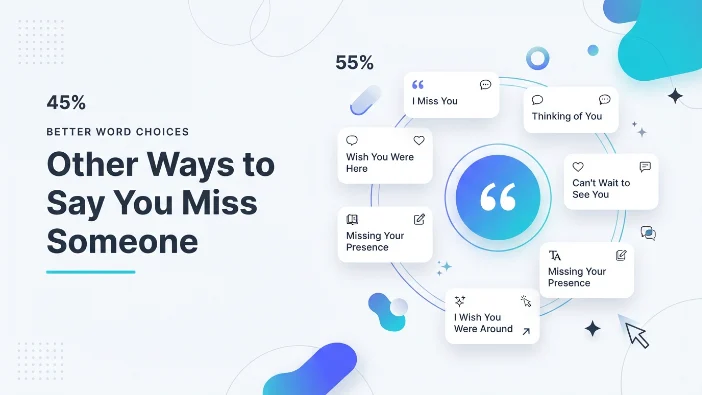
In this guide, you’ll discover 30 other ways to say you miss someone, carefully organized by tone and context. You’ll learn when to use each phrase, how to avoid common mistakes, and how to sound more fluent and confident in English.
Quick Categories
Formal Alternatives to “I Miss You”
- Your presence is sorely missed.
- I eagerly anticipate your return.
- Your absence has been deeply felt.
- I look forward to our next meeting.
Casual Alternatives
- I’ve been thinking about you.
- It’s been too long!
- I miss hanging out with you.
- You’ve been on my mind.
Professional Alternatives
- We’ve noticed your absence.
- Your expertise is greatly missed.
- I look forward to working with you again.
- Your contributions are valued and missed.
Informal Expressions
- I’m low-key missing you.
- I can’t stop thinking about you.
- I feel lost without you.
- I’m counting down the days.
💡 Pro Tip: Always consider your relationship with the listener. A phrase that works with a close friend may feel inappropriate in a professional email. Match your tone to your audience.
Common Mistakes People Make Using “I Miss You”
1. Overusing the phrase in every message.
- Example: “I miss you. I miss you. I miss you.” → This loses impact and feels repetitive.
2. Using it in formal or professional settings.
- Example: “Dear Mr. Johnson, I miss you.” → Too personal for workplace communication.
3. Misreading the emotional tone of the relationship.
- Example: Saying “I long for you” to a casual acquaintance → Feels overly intense and awkward.
4. Forgetting to vary the phrase based on context.
- Example: Using the same phrase for a romantic partner, a friend, and a colleague → Lacks nuance.
5. Using it too early in a relationship.
- Example: “I miss you” after one date → May come across as too clingy or forward.
What Does “I Miss You” Mean?
“I miss you” is an expression used to convey a feeling of longing or sadness because someone is not present. It communicates that you notice their absence and wish they were with you. The phrase can be used in both romantic and platonic contexts, depending on the relationship.
Example: “I miss you it feels so quiet around here without your laughter.”
When to Use “I Miss You”
- Spoken vs Written: Used in both, but written forms (texts, letters, emails) often allow for more thoughtful phrasing.
- Formal vs Informal: Best reserved for informal or personal contexts. In formal settings, opt for professional alternatives.
- Common contexts:
- Reuniting with a friend or family member after time apart.
- Expressing affection to a romantic partner.
- Letting a close colleague know they are valued (in a friendly tone).
- Acknowledging someone’s absence in a personal message.
Is It Professional or Polite to Say “I Miss You”?
Polite? ✔️ Yes when used with friends, family, or romantic partners, it is perfectly polite and appropriate.
Professional? ❌ No in most professional settings, it is too personal and informal. Instead, use phrases like “Your presence is missed” or “I look forward to working with you again.”
Business-style example: “We have noticed your absence and look forward to having you back on the team.”
Pros and Cons of Using Other Ways to Say You Miss Someone
Pros
- Simple and natural.
- Friendly and warm tone.
- Commonly understood by all.
- Easy to use in everyday conversation.
Cons
- Too informal for professional or work settings.
- Overused and can feel cliché.
- Limited emotional range doesn’t capture deeper feelings.
- Not suitable for formal writing or business correspondence.
Other Ways to Say You Miss Someone
These 30 alternatives will help you sound more fluent, confident, and natural in different situations. Use them according to tone, context, and audience to express longing, affection, or appreciation.
Formal & Professional Alternatives
1. Phrase: Your presence is sorely missed.
- Meaning: A formal way to acknowledge someone’s absence.
- Explanation: Often used in professional or organizational settings to show that a person’s contribution is valued.
- Example Sentence: “Your presence is sorely missed at our weekly team meetings.”
- Best Use: Workplace emails.
- Worst Use: Romantic texts.
- Tone: Formal, respectful.
- Context Variability: Professional / formal written communication.
2. Phrase: I eagerly anticipate your return.
- Meaning: You are looking forward to someone coming back.
- Explanation: A polished, professional way to express that you value someone’s presence.
- Example Sentence: “I eagerly anticipate your return to the office next month.”
- Best Use: Business correspondence.
- Worst Use: Casual conversations with friends.
- Tone: Formal, optimistic.
- Context Variability: Professional / formal emails.
3. Phrase: Your absence has been deeply felt.
- Meaning: We have noticed and been affected by your not being here.
- Explanation: A sincere and professional acknowledgment of someone’s impact.
- Example Sentence: “Your absence has been deeply felt during this project.”
- Best Use: Professional settings.
- Worst Use: Personal, intimate moments.
- Tone: Formal, sincere.
- Context Variability: Professional / written.
4. Phrase: I look forward to our next meeting.
- Meaning: You are excited about seeing the person again.
- Explanation: A professional and polite way to express anticipation without being overly personal.
- Example Sentence: “I look forward to our next meeting and catching up on your progress.”
- Best Use: Business emails.
- Worst Use: Romantic messages.
- Tone: Professional, polite.
- Context Variability: Professional / formal.
5. Phrase: Your expertise is greatly missed.
- Meaning: We miss your professional skills and input.
- Explanation: A work-appropriate way to acknowledge someone’s value.
- Example Sentence: “Your expertise is greatly missed on this project.”
- Best Use: Colleague or team member.
- Worst Use: Personal relationships.
- Tone: Professional, appreciative.
- Context Variability: Professional / workplace.
Romantic & Heartfelt Alternatives
6. Phrase: My heart aches for you.
- Meaning: I feel a deep, emotional pain from missing you.
- Explanation: A poetic and intense way to express longing.
- Example Sentence: “My heart aches for you every day we’re apart.”
- Best Use: Romantic partners.
- Worst Use: Friends or colleagues.
- Tone: Emotional, passionate.
- Context Variability: Personal / intimate.
7. Phrase: I long to be with you.
- Meaning: I deeply desire your company.
- Explanation: A romantic and heartfelt way to express missing someone.
- Example Sentence: “I long to be with you this distance feels unbearable.”
- Best Use: Romantic relationships.
- Worst Use: Professional settings.
- Tone: Romantic, yearning.
- Context Variability: Personal / intimate.
8. Phrase: I can’t stop thinking about you.
- Meaning: You are constantly on my mind.
- Explanation: A direct and emotionally charged way to say you miss someone.
- Example Sentence: “I can’t stop thinking about you when can we see each other?”
- Best Use: Romantic or close friendships.
- Worst Use: Formal or professional.
- Tone: Affectionate, intense.
- Context Variability: Personal / casual.
9. Phrase: I feel like a part of me is missing.
- Meaning: I feel incomplete without you.
- Explanation: A deeply emotional way to express that someone is essential to you.
- Example Sentence: “I feel like a part of me is missing when you’re not around.”
- Best Use: Romantic partners or very close friends.
- Worst Use: Acquaintances or work.
- Tone: Vulnerable, emotional.
- Context Variability: Personal / intimate.
10. Phrase: I miss the way you make me feel.
- Meaning: I miss the emotions and joy you bring me.
- Explanation: Focuses on the emotional impact of the person’s presence.
- Example Sentence: “I miss the way you make me feel safe, happy, and understood.”
- Best Use: Romantic or close friendships.
- Worst Use: Professional.
- Tone: Warm, sentimental.
- Context Variability: Personal / casual.
Casual & Friendly Alternatives
11. Phrase: It’s been too long!
- Meaning: We haven’t seen each other in a while.
- Explanation: A lighthearted way to express that you miss someone’s company.
- Example Sentence: “It’s been too long! We need to catch up soon.”
- Best Use: Friends and acquaintances.
- Worst Use: Professional or formal.
- Tone: Friendly, casual.
- Context Variability: Casual / spoken.
12. Phrase: I’ve been thinking about you.
- Meaning: You’ve been on my mind.
- Explanation: A gentle and subtle way to say you miss someone.
- Example Sentence: “I’ve been thinking about you hope you’re doing well.”
- Best Use: Friends, family, or casual.
- Worst Use: Formal business.
- Tone: Warm, caring.
- Context Variability: Casual / personal.
13. Phrase: I miss hanging out with you.
- Meaning: I miss spending time together.
- Explanation: A casual, activity-focused way to express missing someone.
- Example Sentence: “I miss hanging out with you let’s plan something soon.”
- Best Use: Friends.
- Worst Use: Professional.
- Tone: Casual, friendly.
- Context Variability: Casual / spoken.
14. Phrase: You’ve been on my mind.
- Meaning: I’ve been thinking about you a lot.
- Explanation: A soft and thoughtful way to let someone know they are missed.
- Example Sentence: “You’ve been on my mind lately how have you been?”
- Best Use: Friends, family.
- Worst Use: Formal.
- Tone: Thoughtful, gentle.
- Context Variability: Casual / personal.
15. Phrase: Life feels different without you.
- Meaning: Your absence has changed things.
- Explanation: A reflective way to acknowledge someone’s impact.
- Example Sentence: “Life feels different without you around it’s quieter, but not in a good way.”
- Best Use: Close friends or family.
- Worst Use: Professional.
- Tone: Reflective, sincere.
- Context Variability: Personal / casual.
Professional (Workplace) Alternatives
16. Phrase: We’ve noticed your absence.
- Meaning: We are aware you are not here.
- Explanation: A neutral, professional way to acknowledge someone’s absence.
- Example Sentence: “We’ve noticed your absence at the meetings and look forward to your return.”
- Best Use: Workplace.
- Worst Use: Personal.
- Tone: Neutral, professional.
- Context Variability: Professional / formal.
17. Phrase: I look forward to working with you again.
- Meaning: I’m excited to collaborate with you in the future.
- Explanation: A professional alternative that focuses on future collaboration.
- Example Sentence: “I look forward to working with you again on the next project.”
- Best Use: Colleagues or clients.
- Worst Use: Romantic.
- Tone: Professional, optimistic.
- Context Variability: Professional / formal.
18. Phrase: Your contributions are valued and missed.
- Meaning: We appreciate and miss your work.
- Explanation: Acknowledges someone’s professional impact.
- Example Sentence: “Your contributions are valued and missed we hope to see you back soon.”
- Best Use: Workplace.
- Worst Use: Personal.
- Tone: Appreciative, professional.
- Context Variability: Professional / formal.
19. Phrase: I miss working with you.
- Meaning: I enjoyed collaborating with you.
- Explanation: A friendly but professional way to express missing a colleague.
- Example Sentence: “I miss working with you you always brought great energy to the team.”
- Best Use: Former or current colleagues.
- Worst Use: Romantic.
- Tone: Friendly, professional.
- Context Variability: Professional / casual workplace.
20. Phrase: We look forward to your return.
- Meaning: We are anticipating your presence.
- Explanation: A polite, formal way to express that someone is missed.
- Example Sentence: “We look forward to your return after your leave.”
- Best Use: Workplace.
- Worst Use: Personal.
- Tone: Formal, polite.
- Context Variability: Professional / formal.
Poetic & Expressive Alternatives
21. Phrase: My days feel incomplete without you.
- Meaning: I don’t feel whole without you.
- Explanation: A poetic way to express that someone is essential to your happiness.
- Example Sentence: “My days feel incomplete without youcome back soon.”
- Best Use: Romantic or close relationships.
- Worst Use: Professional.
- Tone: Poetic, emotional.
- Context Variability: Personal / intimate.
22. Phrase: I keep replaying our moments together.
- Meaning: I often think about our shared memories.
- Explanation: Focuses on nostalgia and cherished memories.
- Example Sentence: “I keep replaying our moments together I miss you so much.”
- Best Use: Romantic or close friends.
- Worst Use: Professional.
- Tone: Nostalgic, sentimental.
- Context Variability: Personal / casual.
23. Phrase: Everything reminds me of you.
- Meaning: I see you in everything around me.
- Explanation: A romantic and expressive way to convey constant longing.
- Example Sentence: “Everything reminds me of you from the songs I hear to the places we visited.”
- Best Use: Romantic.
- Worst Use: Professional.
- Tone: Romantic, expressive.
- Context Variability: Personal / intimate.
24. Phrase: I miss the sound of your voice.
- Meaning: I miss hearing you speak.
- Explanation: A specific and sensory way to express missing someone.
- Example Sentence: “I miss the sound of your voice call me when you get a chance.”
- Best Use: Romantic or close friends.
- Worst Use: Professional.
- Tone: Warm, longing.
- Context Variability: Personal / casual.
25. Phrase: I miss your smile.
- Meaning: I miss seeing you happy.
- Explanation: A simple, heartfelt way to express that someone brightens your life.
- Example Sentence: “I miss your smile it always made my day better.”
- Best Use: Romantic or close friends.
- Worst Use: Professional.
- Tone: Affectionate, warm.
- Context Variability: Personal / casual.
Informal & Playful Alternatives
26. Phrase: I’m low-key missing you right now.
- Meaning: I’m casually but genuinely missing you.
- Explanation: A modern, informal way to express missing someone without being overly emotional.
- Example Sentence: “I’m low-key missing you right now hope we can hang out soon.”
- Best Use: Friends, casual texts.
- Worst Use: Professional or formal.
- Tone: Casual, modern.
- Context Variability: Informal / spoken.
27. Phrase: I feel lost without you.
- Meaning: I don’t feel grounded or complete without you.
- Explanation: A direct and emotionally honest way to express missing someone.
- Example Sentence: “I feel lost without you when are you coming back?”
- Best Use: Romantic or close relationships.
- Worst Use: Professional.
- Tone: Vulnerable, honest.
- Context Variability: Personal / casual.
28. Phrase: I’m counting down the days.
- Meaning: I am eagerly waiting for our reunion.
- Explanation: Expresses excitement and anticipation for seeing someone again.
- Example Sentence: “I’m counting down the days until we’re together again.”
- Best Use: Romantic or close friends.
- Worst Use: Professional.
- Tone: Eager, excited.
- Context Variability: Personal / casual.
29. Phrase: I miss our conversations.
- Meaning: I miss talking with you.
- Explanation: A simple way to express that you value the person’s thoughts and words.
- Example Sentence: “I miss our conversations they always made me think.”
- Best Use: Friends or colleagues (friendly).
- Worst Use: Romantic (if not close).
- Tone: Thoughtful, appreciative.
- Context Variability: Casual / personal.
30. Phrase: I miss having you around.
- Meaning: I miss your presence and company.
- Explanation: A straightforward way to express that someone’s absence is felt.
- Example Sentence: “I miss having you around it’s just not the same without you.”
- Best Use: Friends, family, or close colleagues.
- Worst Use: Formal business.
- Tone: Warm, sincere.
- Context Variability: Casual / personal.
“The best way to express missing someone is to match your words to the moment and the relationship.”
Mini Quiz / Self-Check
1. Which phrase is most appropriate for a professional email to a colleague on leave?
- A) “I miss you so much.”
- B) “Your presence is sorely missed.”
- C) “I feel lost without you.”
- Answer: B
2. You want to text a close friend you haven’t seen in months. Which is the best casual option?
- A) “I long to be with you.”
- B) “It’s been too long!”
- C) “Your absence has been deeply felt.”
- Answer: B
3. Which phrase is too intense for a casual acquaintance?
- A) “I’ve been thinking about you.”
- B) “I miss hanging out with you.”
- C) “My heart aches for you.”
- Answer: C
4. You’re writing a farewell note to a valued team member. Which phrase strikes the right professional tone?
- A) “I miss you already.”
- B) “Your contributions are valued and missed.”
- C) “I can’t stop thinking about you.”
- Answer: B
Comparison Table: Top 10 Alternatives
| Phrase | Tone | Best Use |
|---|---|---|
| Your presence is sorely missed | Formal, respectful | Professional emails |
| I eagerly anticipate your return | Formal, optimistic | Business correspondence |
| Your absence has been deeply felt | Formal, sincere | Workplace acknowledgment |
| I look forward to our next meeting | Professional, polite | Business settings |
| My heart aches for you | Emotional, passionate | Romantic relationships |
| I long to be with you | Romantic, yearning | Intimate messages |
| I can’t stop thinking about you | Affectionate, intense | Romantic or close friends |
| It’s been too long! | Friendly, casual | Catching up with friends |
| I’ve been thinking about you | Warm, caring | Friends, family |
| I miss working with you | Friendly, professional | Colleagues |
FAQs
1. What is the best professional way to say you miss someone?
The best professional alternatives include “Your presence is sorely missed” and “Your contributions are valued and missed.” These phrases acknowledge someone’s absence while maintaining a respectful, workplace-appropriate tone.
2. Can I say “I miss you” to a colleague?
It depends on your relationship. If you have a close, friendly rapport, it may be acceptable. However, in most professional settings, it’s better to use a more formal alternative like “I look forward to working with you again”.
3. What are some casual ways to say I miss you?
Casual options include “It’s been too long,” “I’ve been thinking about you,” “You’ve been on my mind,” and “I miss hanging out with you.” These are great for friends and family.
4. How do you say you miss someone without sounding clingy?
Use softer, less intense phrases like “I’ve been thinking about you,” “I hope we can catch up soon,” or “I miss our conversations.” These express longing without overwhelming the listener.
5. Is “I miss you” appropriate in a formal letter?
No, “I miss you” is generally too personal for formal letters. Instead, use professional alternatives such as “We look forward to your return” or “Your presence is missed”.
Conclusion
Learning other ways to say you miss someone is more than just expanding your vocabulary it’s about communicating with emotional intelligence and precision. The right phrase can strengthen relationships, convey sincerity, and help you connect with others on a deeper level. Whether you’re writing a professional email, a heartfelt letter, or a casual text, choosing the right words matters.
Start incorporating these alternatives into your daily conversations. Pay attention to tone, context, and your relationship with the listener. With practice, you’ll naturally select the perfect phrase for every situation and your English will sound more fluent, confident, and polished.
“Great communicators don’t just say what they feel they say it in a way that others truly hear.”
Read More Related Articles:
- Other Ways to Say Good Morning | Instantly Brighten Someone’s Day In 2026
- Other Ways to Say “Stay Safe” | Make Your Messages More Meaningful In 2026
- Other Ways to Say Good Morning Beautiful | Express Affection More Creatively In 2026

Daniel Murphy is a professional writer and blogger specializing in digital communication and messaging trends. As a contributor to TextsResponse.com, he creates reader-focused content designed to help people find the right words at the right time.