Quick Answer
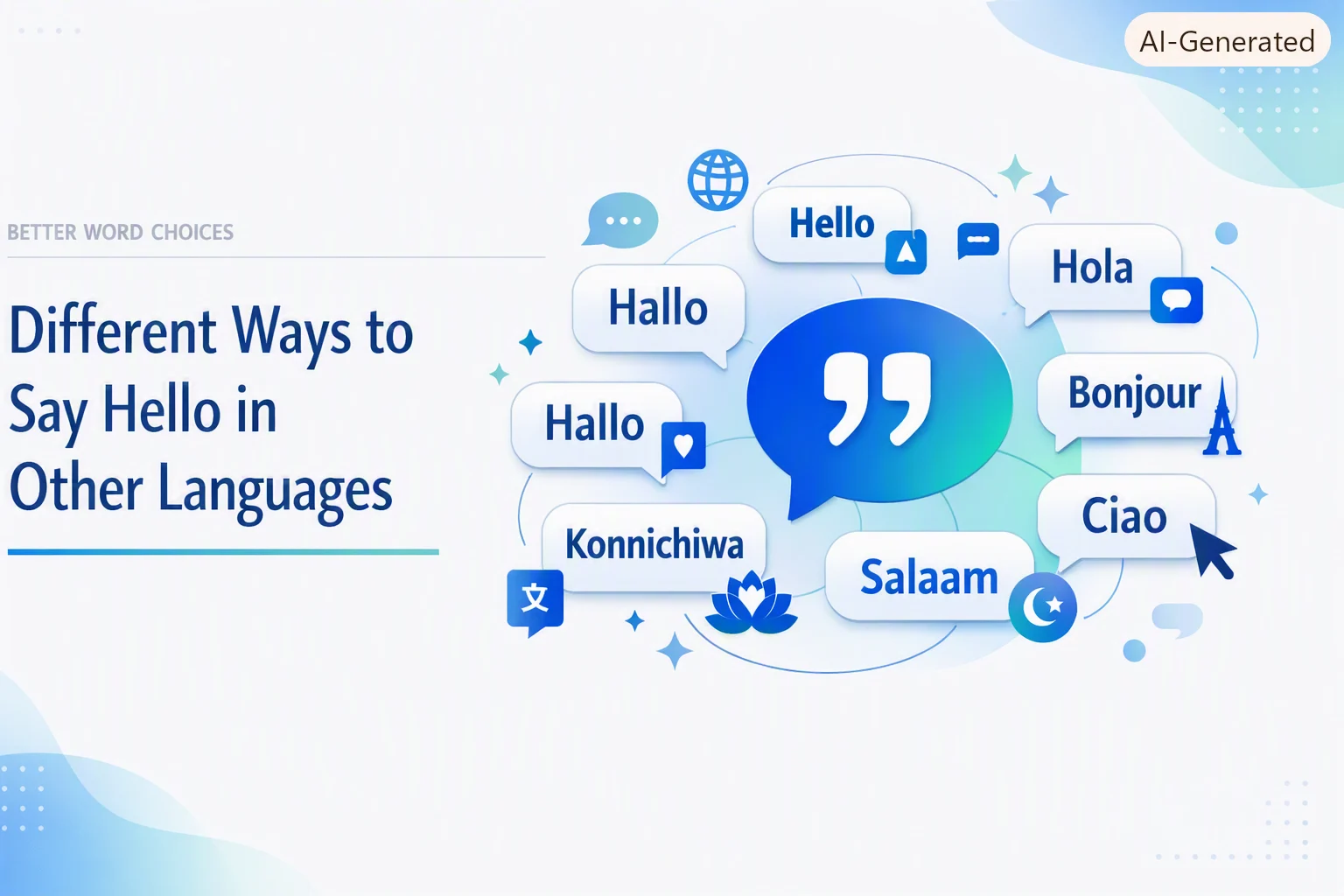
“Hello” is the most common greeting in English, but almost every language has its own version, each carrying a different tone, culture, and level of formality.Five popular alternatives from around the world are: Hola, Bonjour, Ciao, Konnichiwa, and Namaste.
“Hello” is a universal greeting used to open a conversation, show politeness, and signal friendliness. In English-speaking countries, it works in almost any setting, from casual chats to formal meetings. But once you step outside the English-speaking world, greetings change completely in sound, structure, and cultural meaning.
Learning alternatives to hello in other languages helps you connect with people more naturally, whether you are traveling, working with international teams, or simply curious about world cultures. It also helps you express excitement in English and other languages when meeting someone new, since tone and energy often matter as much as the words themselves.
This guide breaks down formal, casual, and regional greetings so you can sound confident and culturally aware, no matter where the conversation takes you.
A simple hello, spoken the right way, can open doors across any culture.
Quick Categories
Formal Greetings Across Languages
- Bonjour (French) formal daytime greeting
- Guten Tag (German) polite, professional greeting
- Konnichiwa (Japanese) respectful daytime hello
- Buenos días (Spanish) formal morning greeting
Pro Tip: Formal greetings are safest in business settings, official meetings, or when addressing elders and strangers.
Casual Greetings Across Languages
- Hola (Spanish) casual, everyday hello
- Ciao (Italian) informal hello or goodbye
- Salut (French) friendly, casual greeting
- Oi (Portuguese, Brazil) relaxed, everyday hello
Pro Tip: Casual greetings work best with friends, peers, or people close in age, but can sound too relaxed in formal environments.
Professional Greetings
- Namaste (Hindi) respectful greeting used in professional and cultural settings
- Shalom (Hebrew) polite greeting meaning peace, suitable for formal contexts
- Sawubona (Zulu) respectful greeting used in professional and social settings
- Anyoung haseyo (Korean) polite, standard professional greeting
Pro Tip: In professional settings, pairing a greeting with a slight bow, handshake, or respectful gesture (depending on the culture) strengthens the impression.
Informal Expressions
- Yo (English slang) very casual, used among close friends
- Wassup (English slang) informal, energetic greeting
- Ni hao (Mandarin, casual tone) simple everyday hello
- Hey (English) relaxed, common in daily conversation
Pro Tip: Informal expressions should be reserved for close relationships since they can sound disrespectful in professional or unfamiliar settings.
“The right greeting instantly signals respect, familiarity, or warmth before a single sentence is spoken.”
Common Mistakes People Make With Greetings
- Using casual greetings in formal settings Example: Saying “Yo, what’s up?” to a client instead of a formal greeting.
- Mispronouncing tonal languages Example: Saying “ni hao” with the wrong tone, which can confuse the listener.
- Ignoring cultural gestures Example: Greeting someone in Japan without a slight bow, which can seem abrupt.
- Overusing one greeting in every context Example: Using “hola” even in professional Spanish business emails.
- Translating word-for-word instead of using natural phrases Example: Directly translating “how are you” instead of using the culturally accepted greeting first.
What Does “Hello” Mean?
“Hello” is an interjection used to greet someone, answer the phone, or get someone’s attention. Grammatically, it functions as an exclamation and does not change form based on tense or subject.
Example Sentence: “Hello, it’s nice to finally meet you.”
When to Use “Hello”
- Meeting someone for the first time
- Starting a phone call or video call
- Greeting colleagues at work
- Opening an email in a slightly informal but polite tone
- Spoken: Common in everyday conversation
- Written: Common in emails, messages, and greetings cards
- Formal: Acceptable in most professional situations
- Informal: Works well with friends, family, and casual acquaintances
Is It Professional or Polite to Say “Hello”?
“Hello” strikes a balance between politeness and neutrality, making it one of the safest greetings in English. It is polite in almost every context, though more formal alternatives like “Good morning” may be preferred in highly professional settings.
Business Example: “Hello team, I wanted to share an update on this week’s project timeline.”
Polite? Yes Professional? Yes, in most situations, though time-specific greetings sound more formal in business writing.
Pros and Cons of Using “Hello”
Pros:
- Simple and universally understood
- Works in both spoken and written English
- Neutral tone suitable for most situations
- Easy for English learners to use confidently
Cons:
- Can sound generic in creative or expressive writing
- Lacks the warmth of more personalized greetings
- Does not indicate time of day like “Good morning”
- May feel repetitive if overused in messages
Different Ways to Say Hello in Other Languages
These alternatives will help you sound more fluent, confident, and culturally aware in different situations. Use them according to tone, region, and audience to express excitement in English and beyond, and to make stronger first impressions.
1. Hola (Spanish)
Meaning: A casual, everyday greeting meaning “hello.”
Explanation: One of the most common greetings in Spanish-speaking countries, suitable for most informal interactions.
Example Sentence: “Hola, how have you been lately?”
Best Use: Friends, casual conversations
Worst Use: Formal business letters
Tone: Warm, friendly, easygoing
Context Variability: Casual, spoken, everyday use
2. Bonjour (French)
Meaning: A polite daytime greeting meaning “good day.”
Explanation: The standard greeting used in France until the evening, appropriate in both professional and everyday situations.
Example Sentence: “Bonjour, welcome to our office.”
Best Use: Professional settings, formal meetings
Worst Use: Late evening greetings
Tone: Polite, respectful, professional
Context Variability: Formal, spoken, written
3. Ciao (Italian)
Meaning: An informal greeting meaning both “hello” and “goodbye.”
Explanation: Widely used among friends, family, and acquaintances in Italy.
Example Sentence: “Ciao, see you at the café later.”
Best Use: Casual conversations
Worst Use: Formal introductions
Tone: Friendly, relaxed, energetic
Context Variability: Casual, spoken
4. Konnichiwa (Japanese)
Meaning: A respectful daytime greeting.
Explanation: Commonly used from late morning through the afternoon in Japan.
Example Sentence: “Konnichiwa, thank you for meeting with me today.”
Best Use: Formal and semi-formal settings
Worst Use: Late-night greetings
Tone: Respectful, calm, polite
Context Variability: Formal, professional, spoken
5. Namaste (Hindi)
Meaning: A respectful greeting acknowledging the other person.
Explanation: Traditionally accompanied by folded hands, it conveys respect and goodwill.
Example Sentence: “Namaste, it’s an honor to welcome you here.”
Best Use: Cultural and respectful settings
Worst Use: Very casual peer conversations
Tone: Respectful, warm, spiritual
Context Variability: Formal, professional, cultural
6. Guten Tag (German)
Meaning: A formal greeting meaning “good day.”
Explanation: Common in professional and public interactions throughout Germany.
Example Sentence: “Guten Tag, how can I assist you today?”
Best Use: Business settings, formal introductions
Worst Use: Close friend gatherings
Tone: Polite, formal, neutral
Context Variability: Professional, spoken, written
7. Salut (French)
Meaning: A casual greeting meaning “hi.”
Explanation: The informal counterpart to Bonjour, typically used among friends and peers.
Example Sentence: “Salut, ready for the weekend?”
Best Use: Friends, casual settings
Worst Use: Business meetings
Tone: Friendly, light, informal
Context Variability: Casual, spoken
8. Ni Hao (Mandarin Chinese)
Meaning: A general greeting meaning “hello.”
Explanation: Appropriate in both formal and informal situations across Chinese-speaking communities.
Example Sentence: “Ni Hao, nice to meet you today.”
Best Use: Everyday conversations
Worst Use: None; widely acceptable
Tone: Neutral, polite, friendly
Context Variability: Formal and casual, spoken
9. Annyeong Haseyo (Korean)
Meaning: A polite standard greeting.
Explanation: The most common respectful greeting used in everyday Korean conversations.
Example Sentence: “Annyeong Haseyo, thank you for coming.”
Best Use: Professional and polite interactions
Worst Use: Extremely casual conversations with close friends
Tone: Polite, respectful, standard
Context Variability: Professional, spoken
10. Shalom (Hebrew)
Meaning: A greeting meaning “peace,” used for both hello and goodbye.
Explanation: Carries cultural and spiritual significance in Hebrew-speaking communities.
Example Sentence: “Shalom, welcome to our home.”
Best Use: Cultural and respectful greetings
Worst Use: None; widely respected
Tone: Warm, meaningful, respectful
Context Variability: Formal and casual
Every greeting reflects a culture’s values, traditions, and way of connecting with others.
11. Salaam (Arabic)
Meaning: A friendly greeting meaning “peace.”
Explanation: A shortened, informal version of the traditional Arabic greeting.
Example Sentence: “Salaam, good to see you again.”
Best Use: Friendly, everyday interactions
Worst Use: Highly formal ceremonies
Tone: Warm, respectful, friendly
Context Variability: Casual, spoken
12. Oi (Brazilian Portuguese)
Meaning: A casual greeting meaning “hi.”
Explanation: One of the most popular informal greetings in Brazil.
Example Sentence: “Oi, how’s your day going?”
Best Use: Friends, casual chats
Worst Use: Formal business writing
Tone: Friendly, upbeat, casual
Context Variability: Casual, spoken
13. Olá (Portuguese)
Meaning: A standard greeting meaning “hello.”
Explanation: Suitable for both casual and semi-formal situations in Portuguese.
Example Sentence: “Olá, thank you for your patience.”
Best Use: Everyday communication
Worst Use: None; broadly acceptable
Tone: Neutral, polite, friendly
Context Variability: Casual and semi-formal
14. Sawubona (Zulu)
Meaning: A respectful greeting meaning “I see you.”
Explanation: Reflects the Zulu cultural value of acknowledging another person’s presence and worth.
Example Sentence: “Sawubona, it’s wonderful to welcome you.”
Best Use: Cultural and respectful settings
Worst Use: Rushed, casual exchanges
Tone: Warm, respectful, meaningful
Context Variability: Formal and cultural
15. Hallo (German)
Meaning: A casual greeting meaning “hello.”
Explanation: An informal alternative to Guten Tag, commonly used among friends and acquaintances.
Example Sentence: “Hallo, are you joining us later?”
Best Use: Friends, informal chats
Worst Use: Business correspondence
Tone: Friendly, casual, light
Context Variability: Casual, spoken
16. Yassou (Greek)
Meaning: An informal greeting meaning both “hello” and “goodbye.”
Explanation: Common in everyday Greek conversations.
Example Sentence: “Yassou, how was your trip?”
Best Use: Casual, friendly settings
Worst Use: Formal ceremonies
Tone: Warm, casual, friendly
Context Variability: Casual, spoken
17. Merhaba (Turkish)
Meaning: A general greeting meaning “hello.”
Explanation: Suitable for almost any situation in Turkey.
Example Sentence: “Merhaba, welcome to Istanbul.”
Best Use: Everyday respectful interactions
Worst Use: None; widely acceptable
Tone: Polite, warm, neutral
Context Variability: Formal and casual
18. Sveiki (Latvian)
Meaning: A polite greeting meaning “hello.”
Explanation: Frequently used in both formal and casual situations throughout Latvia.
Example Sentence: “Sveiki, glad to have you here.”
Best Use: General everyday use
Worst Use: None significant
Tone: Neutral, polite, friendly
Context Variability: Formal and casual
19. Jambo (Swahili)
Meaning: A friendly greeting meaning “hello.”
Explanation: A cheerful greeting commonly heard across East Africa.
Example Sentence: “Jambo, welcome to Nairobi.”
Best Use: Friendly, welcoming situations
Worst Use: Strict formal ceremonies
Tone: Warm, welcoming, cheerful
Context Variability: Casual and semi-formal
20. Aloha (Hawaiian)
Meaning: A greeting expressing love, peace, and welcome.
Explanation: Used for both hello and goodbye while carrying deep cultural significance.
Example Sentence: “Aloha, thank you for visiting the islands.”
Best Use: Warm, welcoming interactions
Worst Use: Rushed formal business conversations
Tone: Warm, spiritual, welcoming
Context Variability: Formal and casual
Learning greetings from different languages helps you connect with people while appreciating their culture and traditions.
21. Namaskar (Bengali)
Meaning: A respectful greeting similar to Namaste.
Explanation: Used to show courtesy and respect in Bengali-speaking communities.
Example Sentence: “Namaskar, thank you for your time.”
Best Use: Respectful, formal settings
Worst Use: Extremely casual conversations
Tone: Respectful, warm, formal
Context Variability: Formal, cultural
22. Halo (Indonesian)
Meaning: A casual greeting meaning “hello.”
Explanation: A simple, friendly greeting widely used throughout Indonesia.
Example Sentence: “Halo, nice to meet you.”
Best Use: Everyday conversations
Worst Use: None significant
Tone: Friendly, neutral, easygoing
Context Variability: Casual, spoken
23. Sawasdee (Thai)
Meaning: A polite greeting meaning “hello.”
Explanation: Commonly accompanied by the traditional wai gesture in Thailand.
Example Sentence: “Sawasdee, thank you for having us.”
Best Use: Respectful interactions
Worst Use: Very rushed exchanges
Tone: Respectful, warm, formal
Context Variability: Formal and casual
24. Kumusta (Filipino)
Meaning: A friendly greeting meaning “how are you?”
Explanation: Functions as both a greeting and a friendly check-in.
Example Sentence: “Kumusta, it’s been a while.”
Best Use: Friendly, personal conversations
Worst Use: Strict formal writing
Tone: Warm, personal, friendly
Context Variability: Casual, spoken
25. Zdravstvuyte (Russian)
Meaning: A formal, respectful greeting.
Explanation: Used when addressing strangers, elders, or people in professional settings.
Example Sentence: “Zdravstvuyte, thank you for meeting me.”
Best Use: Formal, respectful situations
Worst Use: Close friend conversations
Tone: Formal, respectful, polite
Context Variability: Formal, professional
26. Privet (Russian)
Meaning: A casual greeting meaning “hi.”
Explanation: An informal greeting reserved for friends and people you know well.
Example Sentence: “Privet, how was your weekend?”
Best Use: Friends, casual settings
Worst Use: Formal introductions
Tone: Friendly, casual, light
Context Variability: Casual, spoken
27. Sannu (Hausa)
Meaning: A general greeting meaning “hello.”
Explanation: Commonly used in everyday conversations across Hausa-speaking regions.
Example Sentence: “Sannu, welcome to our home.”
Best Use: Everyday communication
Worst Use: None significant
Tone: Warm, polite, neutral
Context Variability: Formal and casual
28. Kia Ora (Māori)
Meaning: A greeting wishing good health and well-being.
Explanation: Widely used throughout New Zealand in both formal and informal settings.
Example Sentence: “Kia Ora, thank you for joining us today.”
Best Use: Formal and everyday communication
Worst Use: None significant
Tone: Warm, respectful, welcoming
Context Variability: Formal and casual
29. Goddag (Danish)
Meaning: A formal greeting meaning “good day.”
Explanation: Appropriate in polite or professional conversations in Denmark.
Example Sentence: “Goddag, it’s a pleasure to meet you.”
Best Use: Formal, professional settings
Worst Use: Casual peer conversations
Tone: Formal, polite, neutral
Context Variability: Formal, professional
30. Hej (Swedish)
Meaning: A simple, everyday greeting meaning “hello.”
Explanation: One of the most common greetings used across Sweden.
Example Sentence: “Hej, are you free this afternoon?”
Best Use: Everyday, casual conversations
Worst Use: Extremely formal ceremonies
Tone: Friendly, simple, casual
Context Variability: Casual, spoken
Every greeting carries a small piece of culture, respect, and identity.
Learning greetings from around the world not only expands your vocabulary but also helps you communicate with greater cultural awareness and confidence.
Mini Quiz
1. Which greeting is most appropriate in a formal Japanese business meeting?
A) Konnichiwa
B) Ciao
C) Yo
Answer: A) Konnichiwa
Explanation: Konnichiwa is a polite and respectful daytime greeting, making it appropriate for formal and professional interactions in Japan. Ciao is an informal Italian greeting, while Yo is very casual English slang.
2. Which of these greetings is considered informal among friends in Russian?
A) Zdravstvuyte
B) Privet
C) Namaste
Answer: B) Privet
Explanation: Privet is the informal Russian greeting used with friends, family, and peers. Zdravstvuyte is the formal version used with strangers, elders, or in professional settings, while Namaste is a respectful greeting from India.
3. Which greeting is commonly paired with a respectful bow in Thailand?
A) Sawasdee
B) Hej
C) Salut
Answer: A) Sawasdee
Explanation: Sawasdee is the standard Thai greeting and is often accompanied by the traditional wai a respectful gesture made by placing the palms together with a slight bow.
4. Which greeting is used in both formal and informal settings and means “peace”?
A) Shalom
B) Oi
C) Hallo
Answer: A) Shalom
Explanation: Shalom is a Hebrew greeting that literally means “peace.” It is commonly used as both hello and goodbye in a wide range of formal and informal situations.
Learning Tip: Understanding when and where to use international greetings helps you communicate respectfully while appreciating different cultures and traditions.
“Choosing the right greeting shows more than language skill, it shows cultural awareness.”
Comparison Table: Top Alternatives
| Phrase | Tone | Best Use |
|---|---|---|
| Hola | Warm, friendly | Casual conversations |
| Bonjour | Polite, formal | Business, formal meetings |
| Ciao | Relaxed, energetic | Friends, informal chats |
| Konnichiwa | Respectful, calm | Formal daytime greetings |
| Namaste | Respectful, warm | Cultural, respectful settings |
| Guten Tag | Formal, neutral | Professional interactions |
| Ni hao | Neutral, polite | General everyday use |
| Shalom | Warm, meaningful | Formal and casual settings |
| Aloha | Warm, welcoming | Friendly, welcoming contexts |
| Merhaba | Polite, warm | General, respectful use |
FAQs
What is the most common way to say hello in other languages?
“Hola” in Spanish and “Bonjour” in French are among the most widely recognized alternatives to hello worldwide.
Are these greetings formal or informal?
It depends on the language. Words like “Bonjour” and “Guten Tag” are formal, while “Ciao” and “Hej” are casual.
Can I use these greetings in professional emails?
Some, like “Namaste” or “Shalom,” work well in respectful professional contexts, while casual ones like “Oi” should be avoided in formal writing.
Why is it useful to learn other ways to say hello?
Learning alternatives to hello improves cultural understanding, builds rapport, and helps you express excitement in English and other languages naturally.
Do all cultures have both formal and informal greetings?
Most cultures distinguish between formal and informal expressions, similar to how English differentiates between “Good morning” and “Hey.”
Conclusion
Learning different ways to say hello in other languages does more than expand vocabulary, it builds cultural confidence and helps you connect authentically wherever you go. From formal greetings like “Bonjour” to casual ones like “Ciao,” each phrase reflects the personality and values of its culture.
Practicing these greetings daily, paying attention to tone, and understanding when to use formal versus informal expressions will make your communication feel natural and respectful in any setting.
Read More Related Articles:
- Other Ways to Say Thanks for Letting Me Know | Leave a Better Impression In 2026
- Other Ways to Say Thank You for Your Business | Customers Truly Appreciate In 2026
- Other Ways to Say “I Hope You’re Doing Well” | People Actually Enjoy Reading In 2026

Henry Walker is an American writer and blogger with a keen interest in communication, language and digital content. At TextsResponse.com, he creates informative and reader-focused resources designed to help people communicate with clarity, confidence and authenticity.