Quick Answer
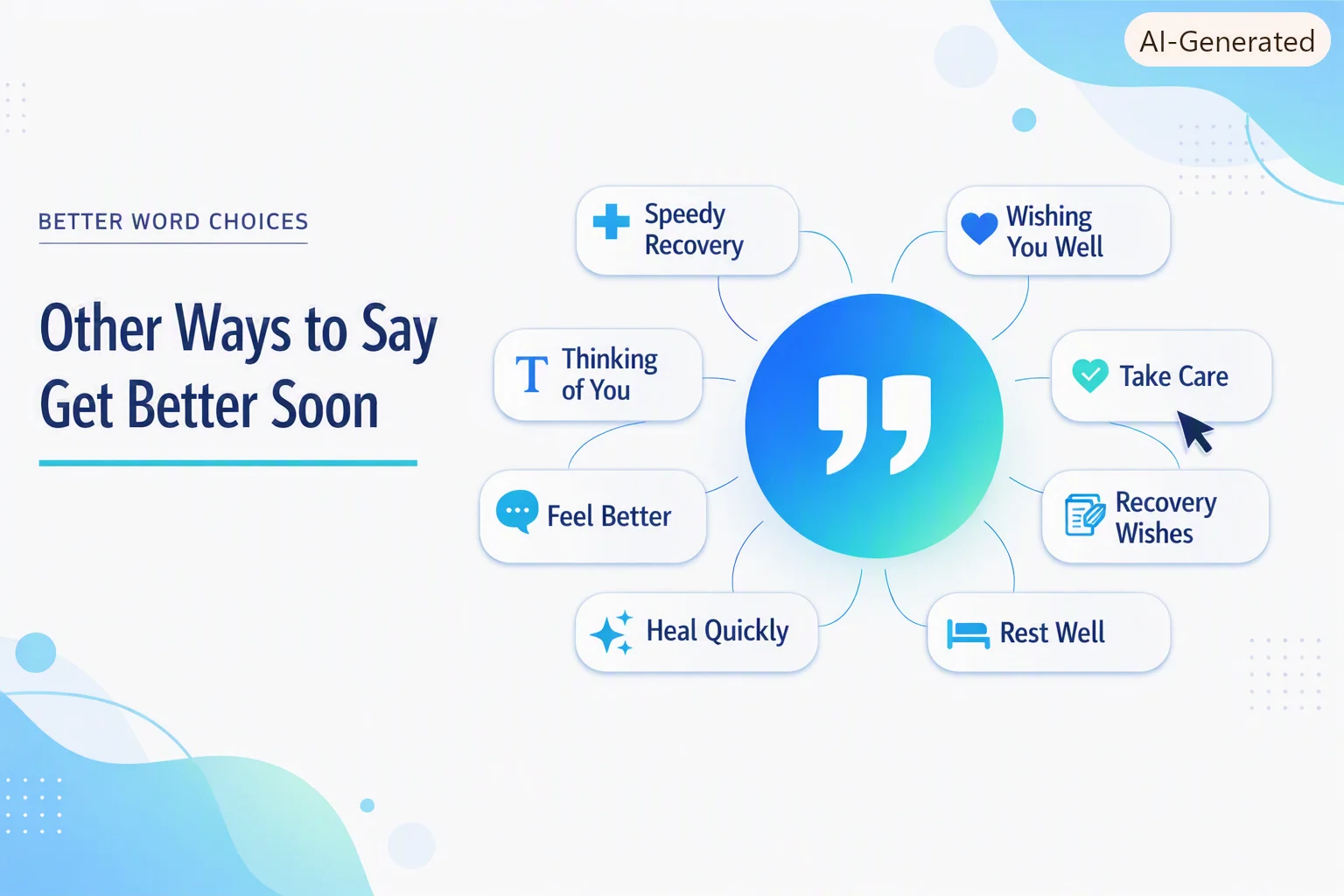
The most natural alternatives to “get better soon” include feel better soon, wishing you a speedy recovery, hope you’re back on your feet soon, sending healing thoughts your way, and take care and heal quickly.
“Get better soon” is one of the most common phrases English speakers use to comfort someone who is sick, injured, or recovering from a procedure. It is short, warm, and instantly understood, which is exactly why it gets used so often in cards, texts, emails, and casual conversation. Get in touch to Other Ways to Say Get Better Soon.
Because this phrase appears everywhere, from workplace emails to family group chats, learning alternatives to get better soon helps you avoid sounding repetitive and lets you match your message to the relationship and setting. A colleague’s illness calls for a different tone than a close friend’s minor cold.
Expanding your vocabulary here also helps you express excitement in English and warmth more broadly, since well-wishing phrases share the same emotional skill: choosing words that feel genuine rather than generic. The list below gives you options for every context, from formal business emails to casual texts.
Quick Categories
Formal Alternatives to “Get Better Soon”
- Wishing you a speedy and full recovery
- I hope you recover swiftly
- Sending you thoughts of good health
- May you have a smooth and quick recovery
Casual Alternatives
- Feel better soon
- Hope you’re feeling okay
- Get well soon, buddy
- Rest up and heal fast
Professional Alternatives
- Wishing you a quick return to good health
- Hope you recover fully and feel well soon
- Sending well wishes for a speedy recovery
- Take the time you need to recover
Informal Expressions
- Hope you kick that bug soon
- Get well soon, champ
- Feel better, okay?
- Hope you bounce back quick
Pro Tips Box: Match formality to the relationship. Use formal alternatives for managers or clients, and save casual phrases like “get well soon, buddy” for close friends and family.
Small word choices shape how sincere your message feels.
Common Mistakes
- Using overly casual phrases in professional emails. Wrong: “Get well soon, buddy!” to your boss.
- Repeating the same phrase in every card or message. Wrong: Writing “get better soon” five times in one group card.
- Ignoring the seriousness of the illness. Wrong: Using a joking tone for a serious diagnosis.
- Forgetting to add a personal touch. Wrong: Sending a generic line with no name or detail.
- Mixing tones awkwardly in one message. Wrong: “Speedy recovery, buddy, hope u ok soon lol.”
What Does “Get Better Soon” Mean?
“Get better soon” is an informal, friendly expression used to wish someone a quick recovery from illness or injury. Grammatically, it is an imperative phrase functioning as a well-wish rather than a command, so it does not require a subject.
Example Sentence: “I heard you have the flu, get better soon!”
When to Use “Get Better Soon”
- Spoken: Casual check-ins with friends, family, or coworkers you know well
- Written: Texts, informal cards, social media comments
- Formal: Rarely used in formal business writing without modification
- Informal: Very common in everyday, friendly communication
Is It Professional or Polite to Say “Get Better Soon”?
“Get better soon” is polite and warm, but it leans casual, which can feel underwhelming in formal business contexts like emails to senior executives or clients.
Business-Style Example: “I was sorry to hear about your surgery. Wishing you a speedy and full recovery” sounds more appropriate than “Get better soon!” in a formal email.
Polite? Yes Professional? No, in most formal settings
Pros and Cons of Using “Get Better Soon”
Pros:
- Simple and natural
- Friendly tone
- Common usage
- Easy to understand
Cons:
- Too informal for work
- Overused
- Limited emotional range
- Not suitable for formal writing
30 Other Ways to Say “Feel Better Soon”
Whether you’re comforting a friend with a cold, writing a heartfelt get-well card, or sending a professional message to a coworker, choosing the right words can make your support feel more genuine. Here are 30 thoughtful alternatives to “Feel better soon” organized by tone and context.
Formal Alternatives
1. Feel Better Soon
Meaning: A warm wish for someone to recover from an illness.
Explanation: A friendly, widely used expression that’s slightly more personal than get well soon.
Example Sentence: Feel better soon—we miss you around the office.
Best Use: Friends, coworkers
Avoid Using: Formal letters or official correspondence
Tone: Warm, casual
Context: Casual, spoken
2. Wishing You a Speedy Recovery
Meaning: A wish for someone to recover quickly.
Explanation: A polished and professional phrase commonly used in business emails, greeting cards, and workplace messages.
Example Sentence: Wishing you a speedy recovery after your surgery.
Best Use: Work emails, greeting cards
Avoid Using: Casual text messages to close friends
Tone: Formal, sincere
Context: Professional, written
3. Hope You’re Back on Your Feet Soon
Meaning: A wish for someone to regain their health and resume their normal routine.
Explanation: An idiomatic expression commonly used after an illness or injury.
Example Sentence: Hope you’re back on your feet soon—the team misses you.
Best Use: Workplace conversations, casual chats
Avoid Using: Very formal writing
Tone: Friendly, encouraging
Context: Casual, professional
4. Sending Healing Thoughts Your Way
Meaning: Offering emotional support while someone recovers.
Explanation: A heartfelt expression that works especially well during serious illnesses or difficult recoveries.
Example Sentence: Sending healing thoughts your way during this challenging time.
Best Use: Serious illness, close relationships
Avoid Using: Minor colds
Tone: Compassionate, heartfelt
Context: Casual, written
5. Take Care and Heal Quickly
Meaning: A caring wish for rest and a speedy recovery.
Explanation: Combines encouragement with a reminder to prioritize recovery.
Example Sentence: Take care and heal quickly—we’re all thinking of you.
Best Use: Friends, family
Avoid Using: Strict corporate communication
Tone: Caring, gentle
Context: Casual, spoken
6. Wishing You a Full and Speedy Recovery
Meaning: A wish for complete and timely healing.
Explanation: A formal alternative often found in workplace cards and professional messages.
Example Sentence: Wishing you a full and speedy recovery from your operation.
Best Use: Business messages, formal cards
Avoid Using: Casual texting
Tone: Formal, respectful
Context: Professional, written
7. Hope You Recover Swiftly
Meaning: A concise wish for someone to heal quickly.
Explanation: A brief yet professional phrase suitable for workplace correspondence.
Example Sentence: Hope you recover swiftly and return when you’re ready.
Best Use: Business emails
Avoid Using: Close friends and family texts
Tone: Formal, concise
Context: Professional, written
8. Get Well Soon, Champ
Meaning: A playful way to encourage someone during recovery.
Explanation: The word champ adds affection and positivity.
Example Sentence: Get well soon, champ—we can’t wait to see you back on the field.
Best Use: Friends, teammates
Avoid Using: Professional settings
Tone: Playful, affectionate
Context: Casual, spoken
9. Rest Up and Feel Better
Meaning: A reminder to rest while recovering.
Explanation: Encourages someone to take things slowly and allow their body to heal.
Example Sentence: Rest up and feel better. Don’t rush back too soon.
Best Use: Friends, family
Avoid Using: Formal documents
Tone: Caring, relaxed
Context: Casual, spoken
10. Hope You Feel Like Yourself Again Soon
Meaning: A wish for someone to regain their normal health and energy.
Explanation: A thoughtful expression that recognizes how illness can temporarily affect someone’s wellbeing.
Example Sentence: Hope you feel like yourself again soon. Take it easy.
Best Use: Close friends, family
Avoid Using: Business emails
Tone: Sincere, personal
Context: Casual, written
Professional Alternatives
11. Sending Well Wishes for Your Recovery
Meaning: A formal expression of support during someone’s recovery.
Explanation: Frequently used in workplace cards and team messages.
Example Sentence: Sending well wishes for your recovery from everyone on the team.
Best Use: Office cards, group messages
Avoid Using: Very casual chats
Tone: Formal, warm
Context: Professional, written
12. Hope You’re on the Mend
Meaning: A wish that someone’s health is improving.
Explanation: On the mend is a traditional English expression meaning someone is recovering.
Example Sentence: Hope you’re on the mend after your bout with the flu.
Best Use: Everyday conversations
Avoid Using: Highly formal writing
Tone: Friendly, familiar
Context: Casual, spoken
13. Wishing You Strength and a Quick Recovery
Meaning: A wish for resilience and healing.
Explanation: Especially appropriate for surgeries or serious medical conditions.
Example Sentence: Wishing you strength and a quick recovery after your surgery.
Best Use: Serious illness, formal cards
Avoid Using: Minor colds
Tone: Compassionate, formal
Context: Professional, written
14. Take It Easy and Heal Well
Meaning: A reminder to rest and recover at a comfortable pace.
Explanation: Encourages someone not to overexert themselves during recovery.
Example Sentence: Take it easy and heal well. We’ll see you when you’re ready.
Best Use: Friends, family
Avoid Using: Corporate announcements
Tone: Caring, relaxed
Context: Casual, spoken
15. Hope You Kick That Bug Soon
Meaning: A casual wish for someone to recover from a minor illness.
Explanation: The phrase kick that bug is commonly used for colds, flu, or similar short-term illnesses.
Example Sentence: Hope you kick that bug soon and start feeling like yourself again.
Best Use: Friends, minor illnesses
Avoid Using: Serious medical conditions
Tone: Playful, casual
Context: Casual, spoken
16. Thinking of You During Your Recovery
Meaning: Expressing care and emotional support.
Explanation: Focuses on encouragement rather than how quickly someone recovers.
Example Sentence: Thinking of you during your recovery. Take all the time you need.
Best Use: Long recoveries, close relationships
Avoid Using: Minor illnesses
Tone: Supportive, gentle
Context: Casual, written
17. Hope You Bounce Back Quickly
Meaning: A lively wish for someone to recover soon.
Explanation: Commonly used with friends, teammates, and younger audiences.
Example Sentence: Hope you bounce back quickly—we miss having you around.
Best Use: Friends, teammates
Avoid Using: Formal writing
Tone: Energetic, casual
Context: Casual, spoken
18. Wishing You Comfort and Healing
Meaning: A wish for both physical recovery and emotional peace.
Explanation: Particularly suitable for surgeries, injuries, or painful illnesses.
Example Sentence: Wishing you comfort and healing during your recovery.
Best Use: Serious illness, greeting cards
Avoid Using: Lighthearted text messages
Tone: Gentle, heartfelt
Context: Professional, written
19. Hope You’re Feeling Stronger Every Day
Meaning: Acknowledges gradual improvement during recovery.
Explanation: Best suited to long-term healing rather than short illnesses.
Example Sentence: Hope you’re feeling stronger every day since your operation.
Best Use: Extended recovery
Avoid Using: One-day illnesses
Tone: Encouraging, warm
Context: Casual, written
20. Sending Positive Energy Your Way
Meaning: Offering encouragement and emotional support.
Explanation: A thoughtful, non-medical expression that focuses on positivity.
Example Sentence: Sending positive energy your way as you continue to recover.
Best Use: Close friends, family
Avoid Using: Formal business emails
Tone: Warm, uplifting
Context: Casual, written
Kind words can bring comfort, even when they can’t provide a cure.
Casual Alternatives
21. Hope Your Recovery Is Quick and Smooth
Meaning: A wish for an easy and successful recovery.
Explanation: Balances professionalism with genuine warmth.
Example Sentence: Hope your recovery is quick and smooth. Take good care of yourself.
Best Use: Cards, professional messages
Avoid Using: Very casual text messages
Tone: Warm, thoughtful
Context: Professional, written
22. Get Well Soon and Take Care of Yourself
Meaning: A combined wish for recovery and self-care.
Explanation: Adds a caring reminder to the traditional get-well message.
Example Sentence: Get well soon and take care of yourself this week.
Best Use: Friends, coworkers
Avoid Using: Very formal correspondence
Tone: Friendly, caring
Context: Casual, spoken
23. Hope You Feel Much Better Very Soon
Meaning: An emphasized wish for quick relief and recovery.
Explanation: Expresses extra concern and warmth.
Example Sentence: Hope you feel much better very soon. That flu sounds miserable.
Best Use: Friends, family
Avoid Using: Business emails
Tone: Sincere, warm
Context: Casual, spoken
24. Wishing You Good Health and Quick Healing
Meaning: A formal wish for lasting health and a smooth recovery.
Explanation: Frequently used in workplace cards and group messages.
Example Sentence: Wishing you good health and quick healing from everyone on the team.
Best Use: Office messages, formal cards
Avoid Using: Casual texting
Tone: Formal, respectful
Context: Professional, written
25. Take All the Time You Need to Heal
Meaning: Reassures someone there’s no pressure to recover quickly.
Explanation: Especially comforting during lengthy recoveries.
Example Sentence: Take all the time you need to heal—we’ve got everything covered.
Best Use: Workplace support, serious illness
Avoid Using: Minor illnesses
Tone: Reassuring, supportive
Context: Professional, spoken
26. Hope You’re Doing Better Each Day
Meaning: Acknowledges steady progress during recovery.
Explanation: Ideal when checking in with someone over an extended recovery period.
Example Sentence: Hope you’re doing better each day. Keep taking it easy.
Best Use: Ongoing recovery
Avoid Using: Short-term illnesses
Tone: Supportive, gentle
Context: Casual, written
27. Sending You Strength to Recover Fully
Meaning: A wish for resilience and complete healing.
Explanation: Often used after surgeries, accidents, or serious illnesses.
Example Sentence: Sending you strength to recover fully after the accident.
Best Use: Serious injuries, formal cards
Avoid Using: Minor illnesses
Tone: Compassionate, formal
Context: Professional, written
28. Hope This Message Finds You Feeling Better
Meaning: A polite opening that expresses concern for someone’s health.
Explanation: Commonly used in professional emails when checking in.
Example Sentence: Hope this message finds you feeling better than you were last week.
Best Use: Business emails
Avoid Using: Casual text messages
Tone: Formal, polite
Context: Professional, written
29. Feel Better Real Soon, Okay?
Meaning: A gentle and affectionate wish for recovery.
Explanation: The word okay? adds warmth and personal concern.
Example Sentence: Feel better real soon, okay? Let me know if you need anything.
Best Use: Close friends, family
Avoid Using: Formal writing
Tone: Affectionate, casual
Context: Casual, spoken
30. Wishing You Renewed Strength and Good Health
Meaning: A heartfelt wish for restored health and energy.
Explanation: A graceful expression well suited to greeting cards and thoughtful messages.
Example Sentence: Wishing you renewed strength and good health in the days ahead.
Best Use: Greeting cards, formal messages
Avoid Using: Everyday text messages
Tone: Poetic, sincere
Context: Professional, written
“Choosing the right well-wish phrase shows genuine care, not just good manners.”
“Fluency isn’t about knowing more words, it’s about knowing which word fits the moment.”
Quick Quiz
1. Which phrase is best for a formal email to a client recovering from surgery?
A) Get well soon, buddy
B) Wishing you a speedy and full recovery
C) Hope you kick that bug soon
Answer: B) Wishing you a speedy and full recovery
Explanation: This phrase is professional, respectful, and well-suited for formal emails, business correspondence, and client communications.
2. Which alternative is most appropriate for a text to a close friend with a mild cold?
A) Sending you thoughts of good health
B) Feel better soon
C) May you have a smooth and quick recovery
Answer: B) Feel better soon
Explanation: This is a warm, natural, and friendly expression that’s perfect for casual conversations with friends and family.
3. True or False: “Get better soon” is appropriate for a formal business letter to a senior executive.
Answer: False
Explanation: Although it’s a kind expression, “Get better soon” is relatively informal. For professional correspondence, choose phrases like “Wishing you a speedy and full recovery” or “Wishing you a swift recovery” instead.
4. Which phrase is most suitable for someone facing a long-term or serious recovery?
A) Hope you kick that bug soon
B) Take all the time you need to heal
C) Get well soon, champ
Answer: B) Take all the time you need to heal
Explanation: This phrase offers reassurance and empathy by emphasizing that recovery should happen at the person’s own pace, making it ideal for serious illnesses or extended healing.
The best recovery messages offer more than good wishes they provide comfort, compassion, and genuine encouragement.
Comparison Table Top Alternatives
| Phrase | Tone | Best Use |
|---|---|---|
| Feel better soon | Warm, casual | Friends, coworkers |
| Wishing you a speedy recovery | Formal, sincere | Work emails, cards |
| Hope you’re back on your feet soon | Friendly | Workplace, casual chats |
| Sending healing thoughts your way | Compassionate | Serious illness |
| Take care and heal quickly | Caring | Friends, family |
| Wishing you a full and speedy recovery | Formal | Business, formal cards |
| Hope you recover swiftly | Formal, brief | Business emails |
| Get well soon, champ | Playful | Friends, teammates |
| Sending well wishes for your recovery | Formal, warm | Office cards, groups |
| Take all the time you need to heal | Reassuring | Workplace, serious illness |
FAQs
Is “get better soon” formal or informal?
It is informal, best suited for friends, family, and casual coworker relationships rather than formal business writing.
What can I say instead of “get better soon” in a work email?
Use professional alternatives like “wishing you a speedy recovery” or “hope you recover swiftly” for a polished tone.
Can I use “get better soon” for serious illnesses?
It works, but phrases like “sending healing thoughts your way” or “wishing you strength and a quick recovery” show more depth and care.
What is a professional reaction phrase for a coworker’s illness?
Try “sending well wishes for your recovery” or “hope this message finds you feeling better” for professional reaction phrases.
How many ways are there to say “get better soon”?
There are dozens of alternatives, and this guide covers 30 options ranging from formal to casual expressions.
Conclusion
Learning alternatives to “get better soon” helps you communicate genuine care in a way that fits the moment, whether you’re writing a formal email or texting a close friend. These informal expressions in English and formal options together give you the flexibility to sound natural in any situation.
Practice using a few of these phrases daily, paying attention to tone and context each time. Over time, this awareness will make your English feel more confident, warm, and appropriately professional across every setting.
Read More Related Articles:
- Other Ways to Say Good Morning | Instantly Brighten Someone’s Day In 2026
- Other Ways to Say “Stay Safe” | Make Your Messages More Meaningful In 2026
- Other Ways to Say Good Morning Beautiful | Express Affection More Creatively In 2026

Henry Walker is an American writer and blogger with a keen interest in communication, language and digital content. At TextsResponse.com, he creates informative and reader-focused resources designed to help people communicate with clarity, confidence and authenticity.